



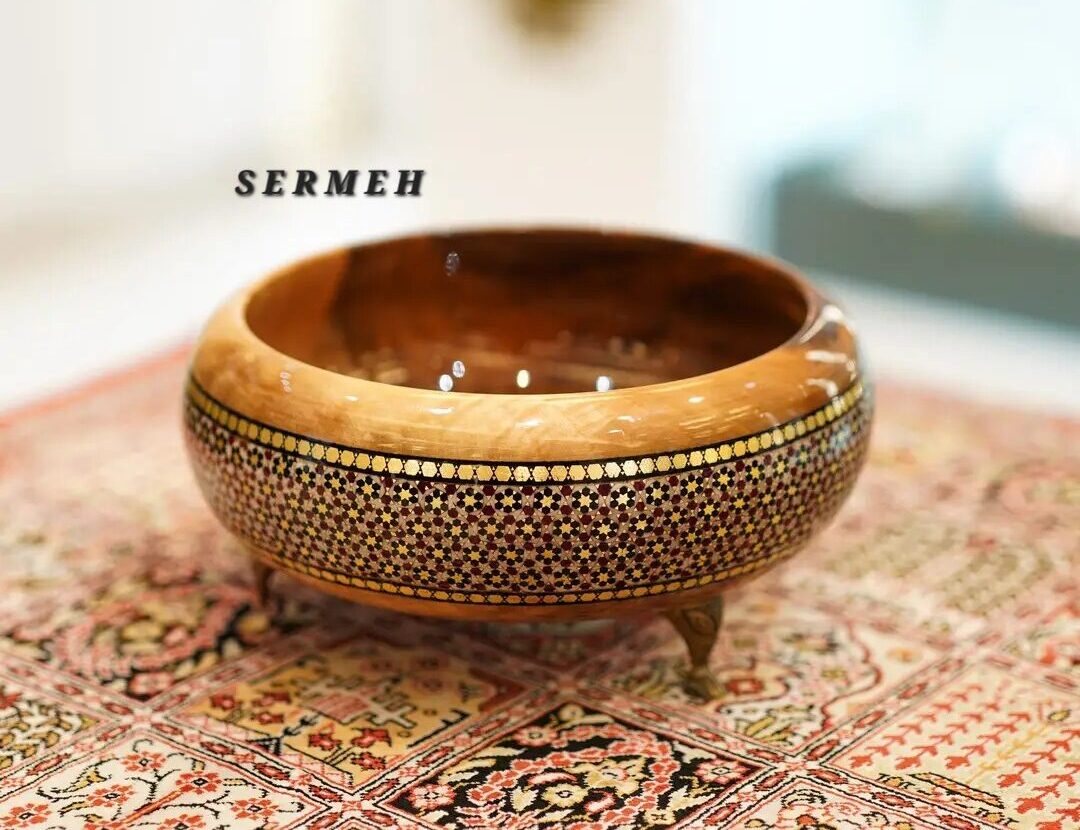
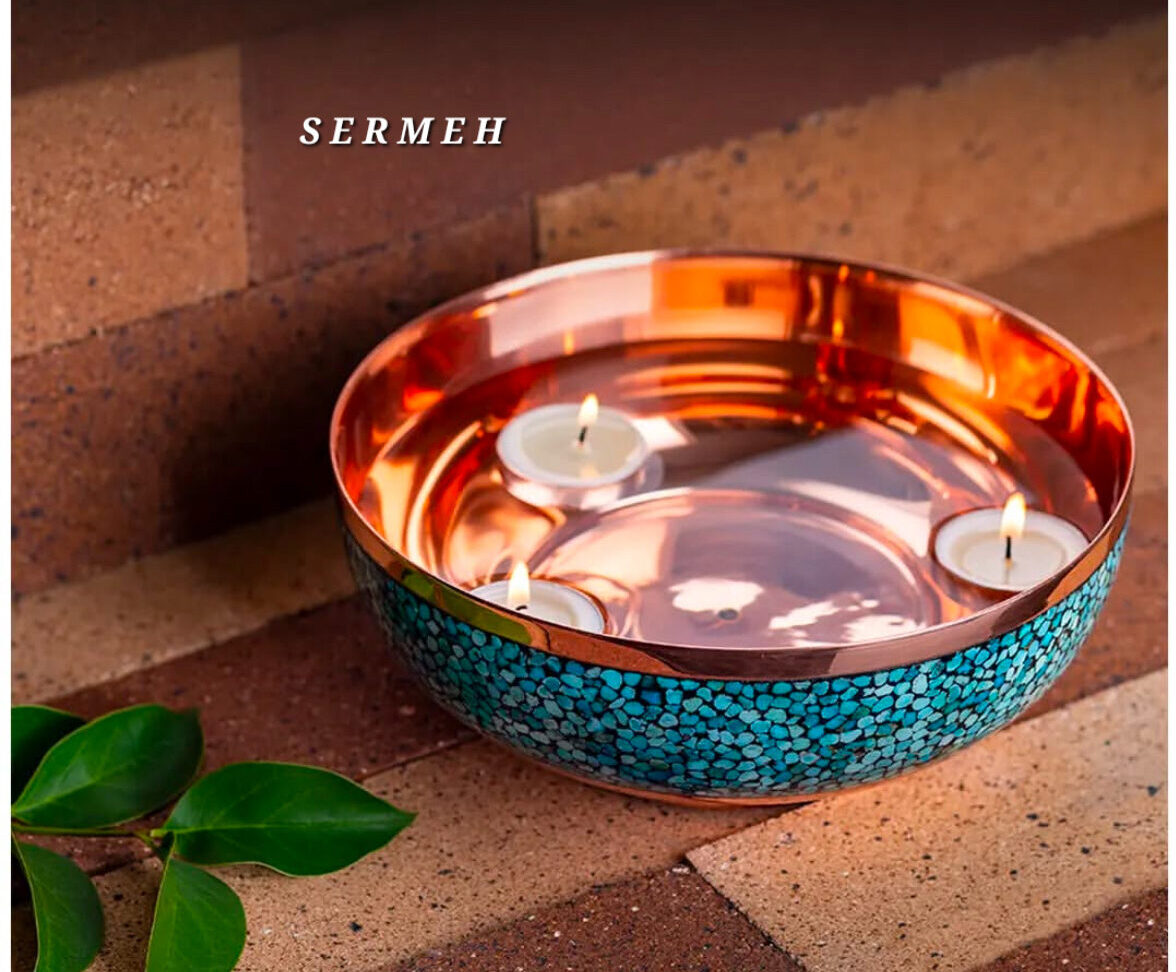
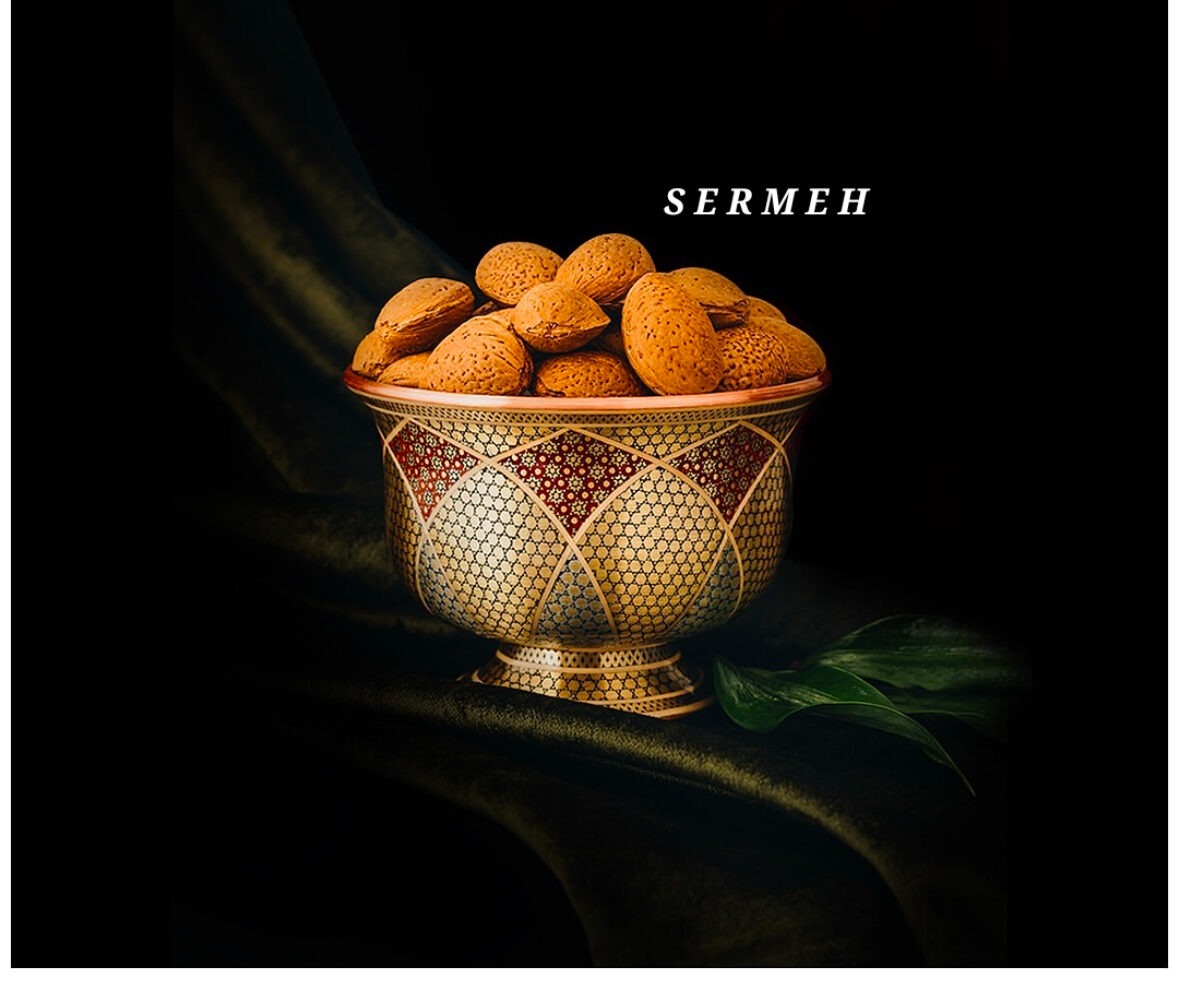
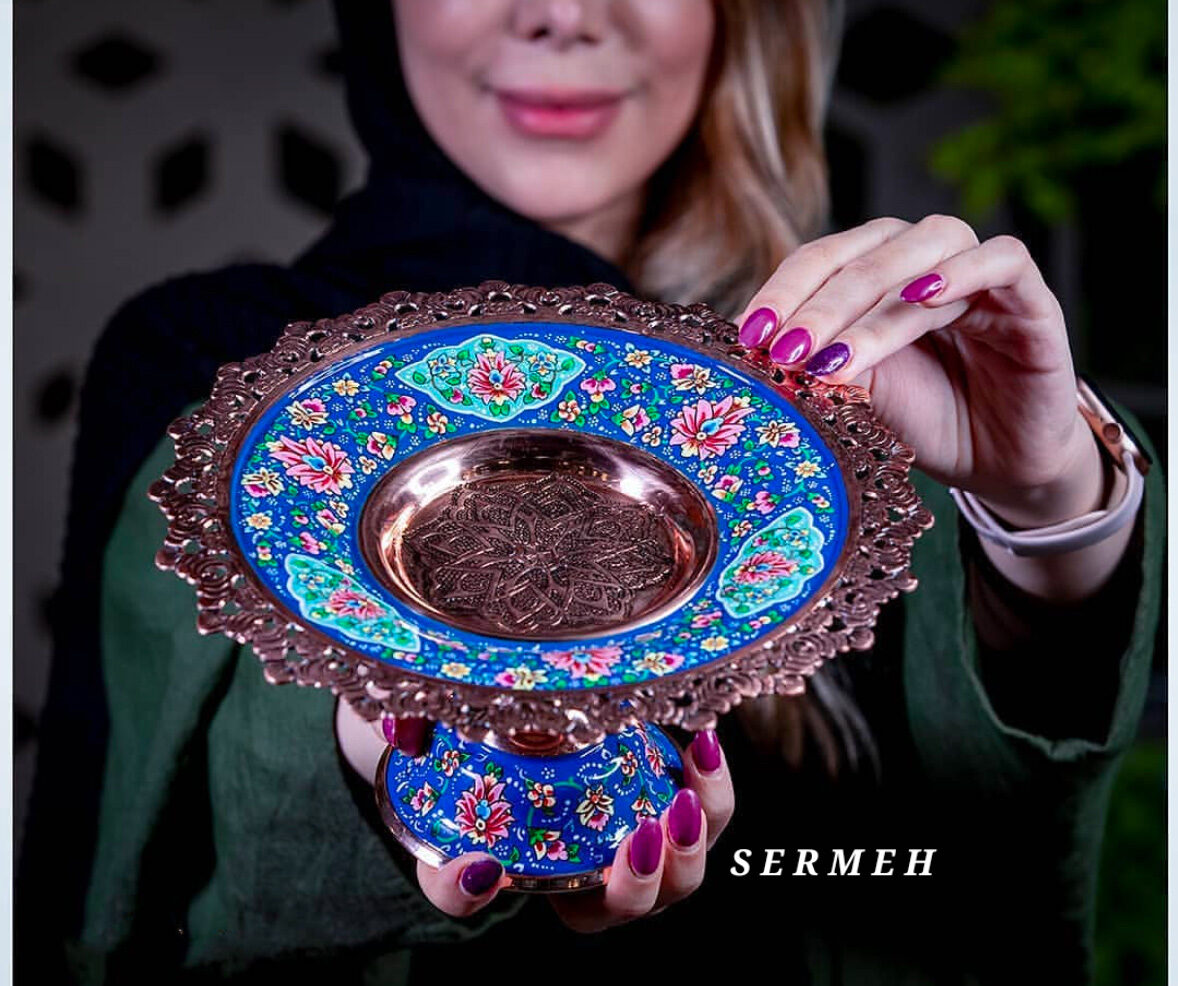
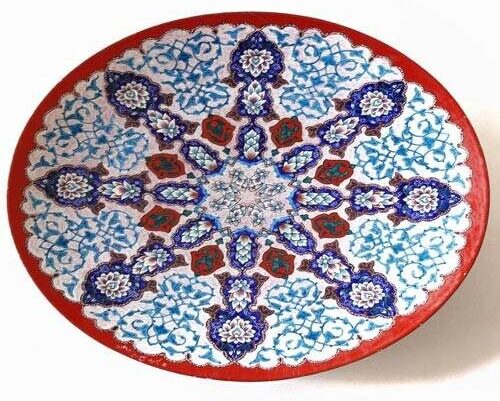
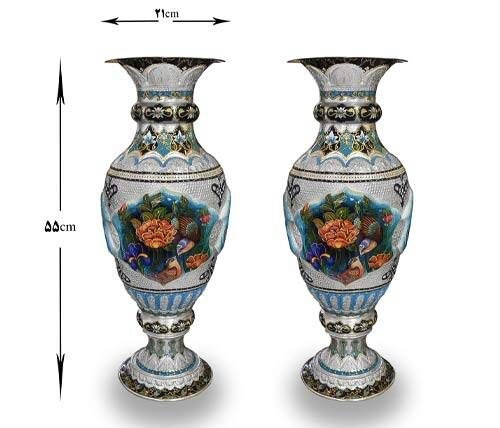
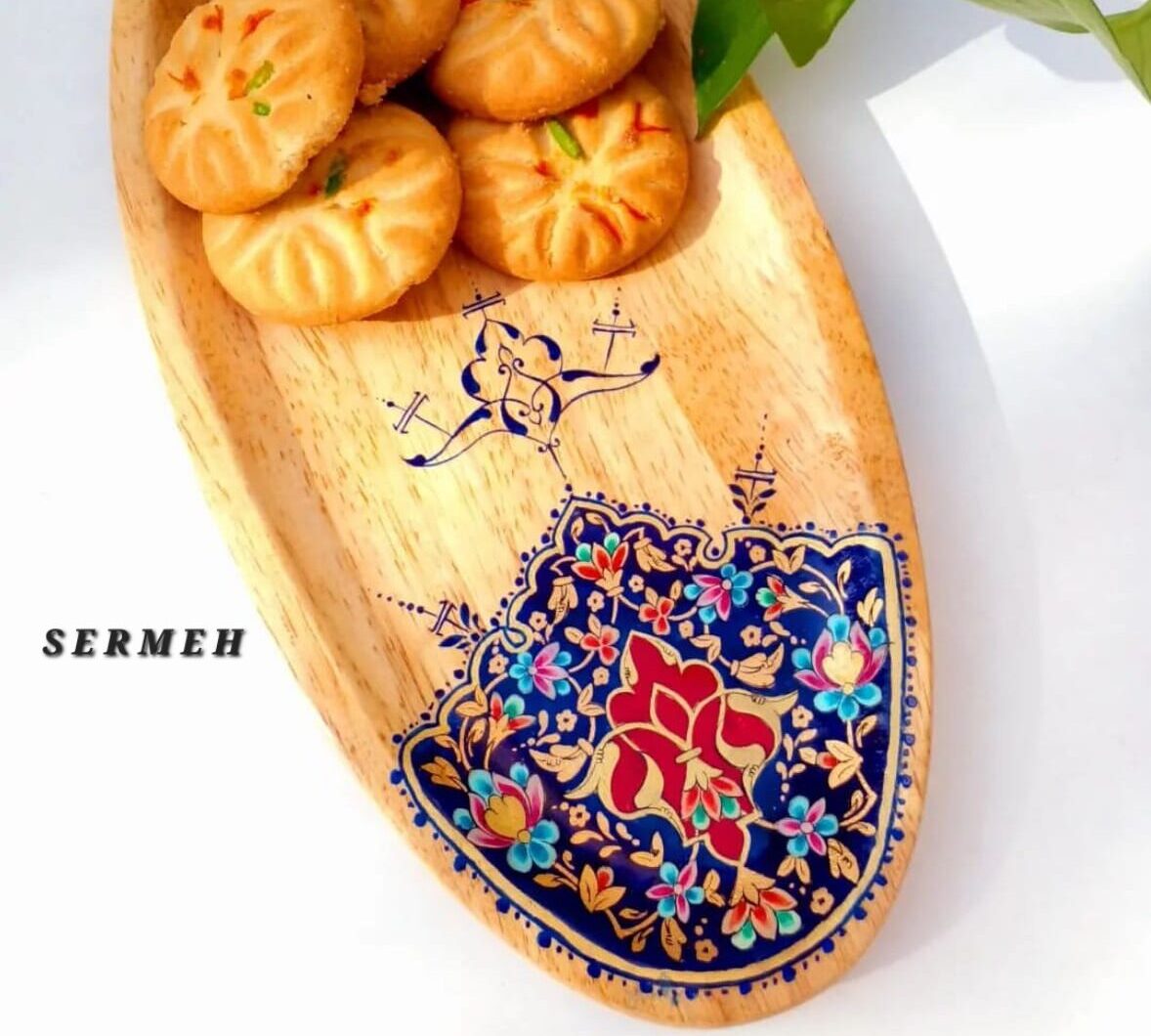
 home decor
Mat Weaving: A Valuable Traditional Handicraft
Introduction
Mat weaving is one of the oldest traditional handicrafts in the world. It is the art of creating mats, baskets, and other useful products by weaving natural materials such as reeds, palm leaves, bamboo, or straw. This craft has been passed down from generation to generation and represents the culture, traditions, and creativity of many communities.
History of Mat Weaving
The history of mat weaving goes back thousands of years. Early civilizations used woven mats for daily activities such as sitting, sleeping, and storing food. Over time, artisans improved their weaving techniques and created products with beautiful patterns and stronger designs. Today, mat weaving remains an important part of cultural heritage in many countries.
Materials Used in Mat Weaving
Natural materials are essential in mat weaving. Reeds, palm leaves, bamboo, and straw are the most common materials because they are flexible, durable, and environmentally friendly. Before weaving, these materials are cleaned, dried, and sometimes dyed to create colorful and attractive designs.
The Weaving Process
The weaving process requires skill, patience, and creativity. First, the materials are carefully prepared. Then, artisans weave them together by hand using traditional techniques. Depending on the design and size, completing a single mat may take several hours or even several days.
Importance of Mat Weaving
Mat weaving has significant cultural and economic value. It helps preserve traditional knowledge and supports local communities by creating employment opportunities. It also promotes sustainable living because it relies on natural and renewable materials instead of synthetic products.
Modern Applications
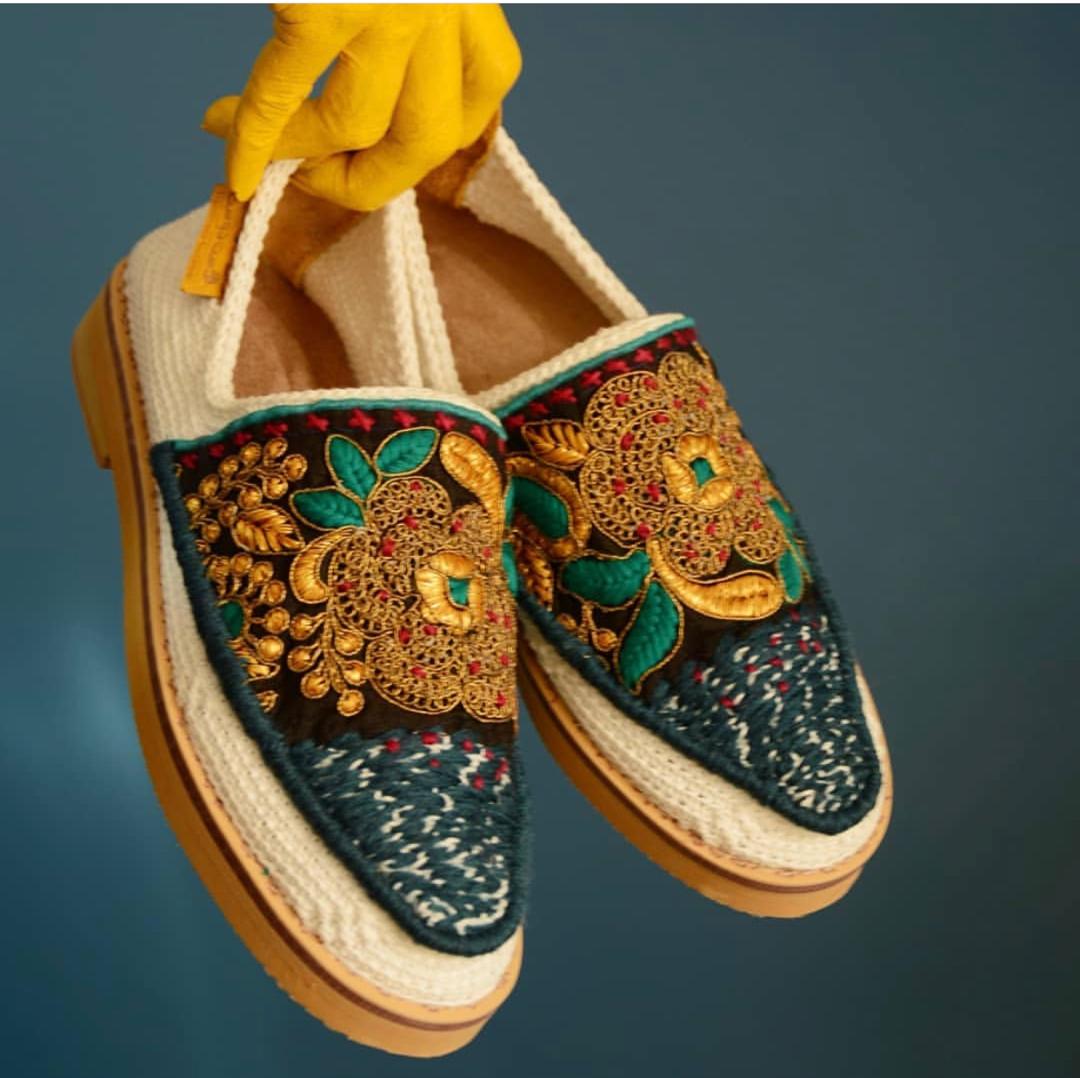
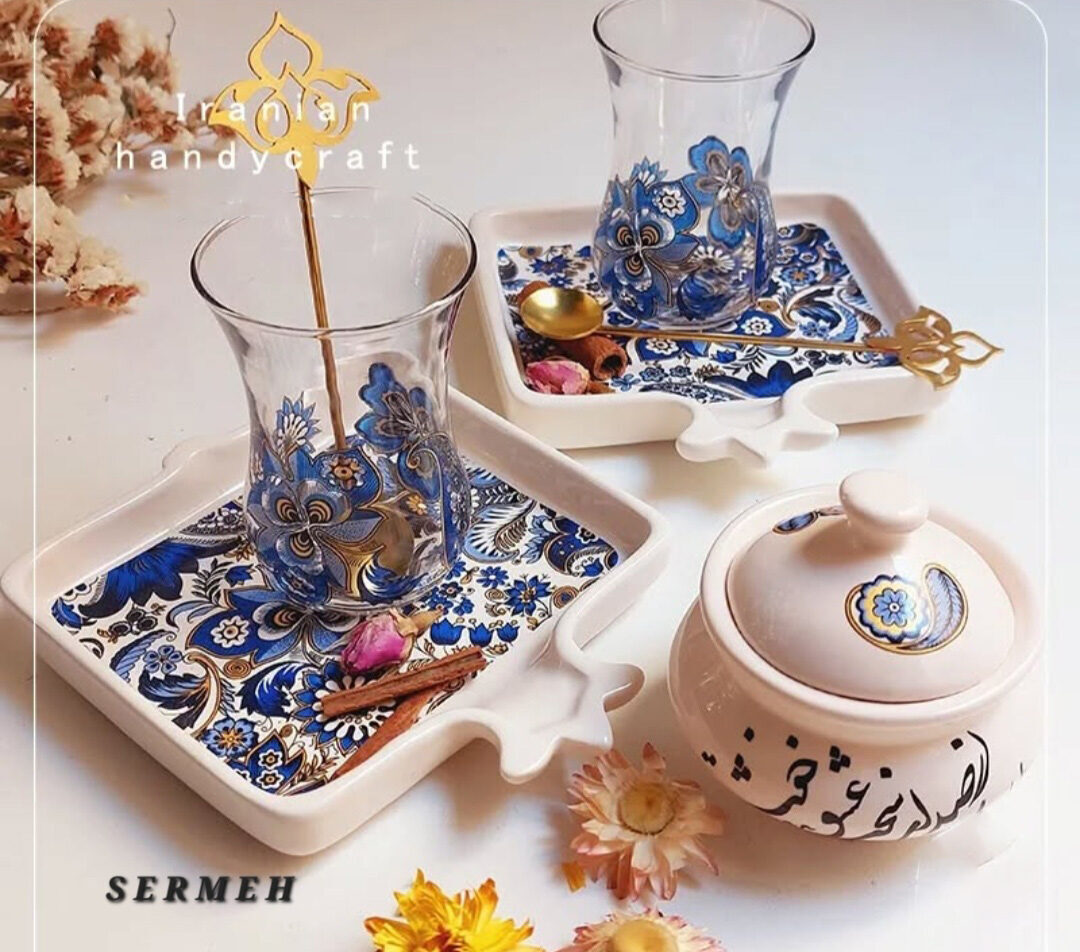
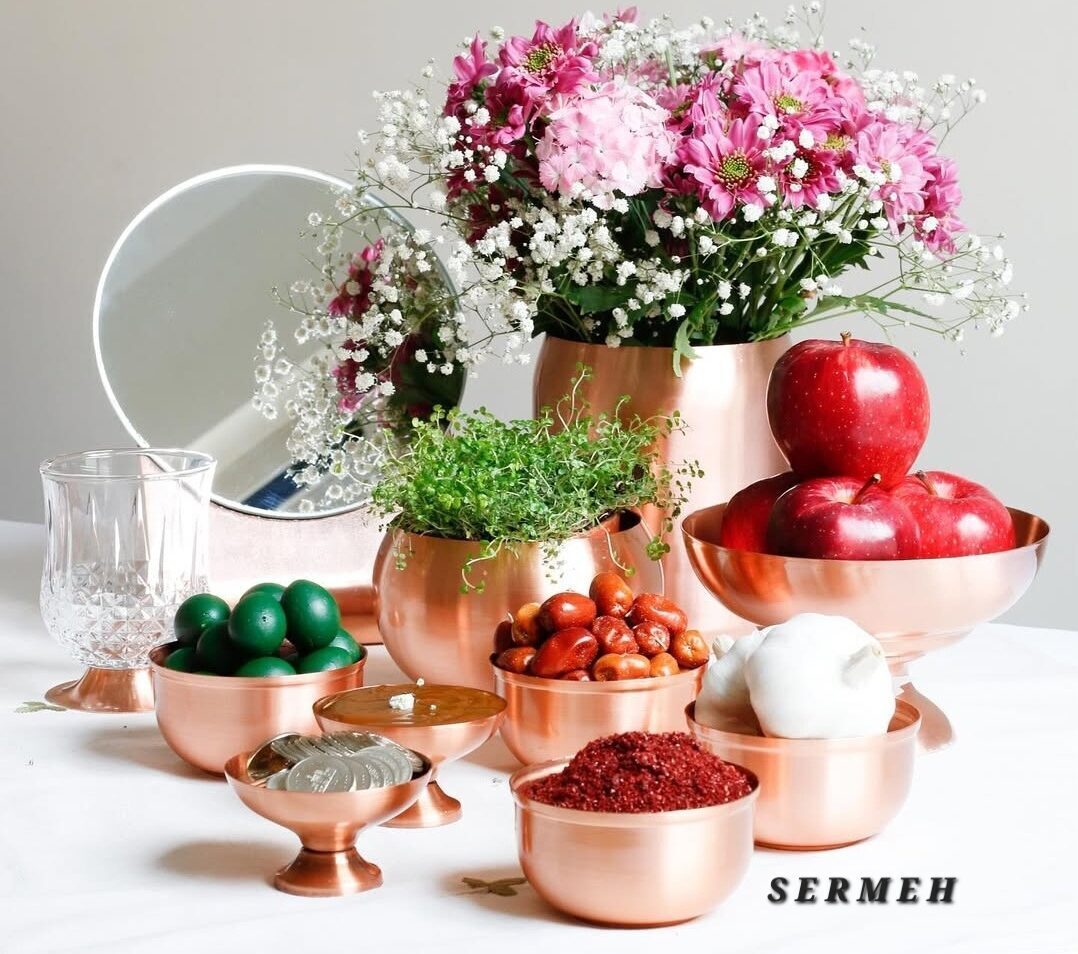
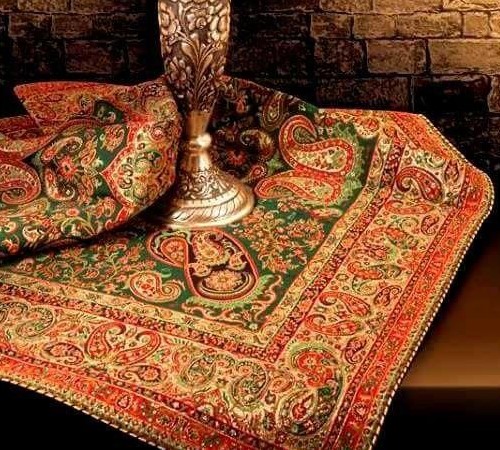
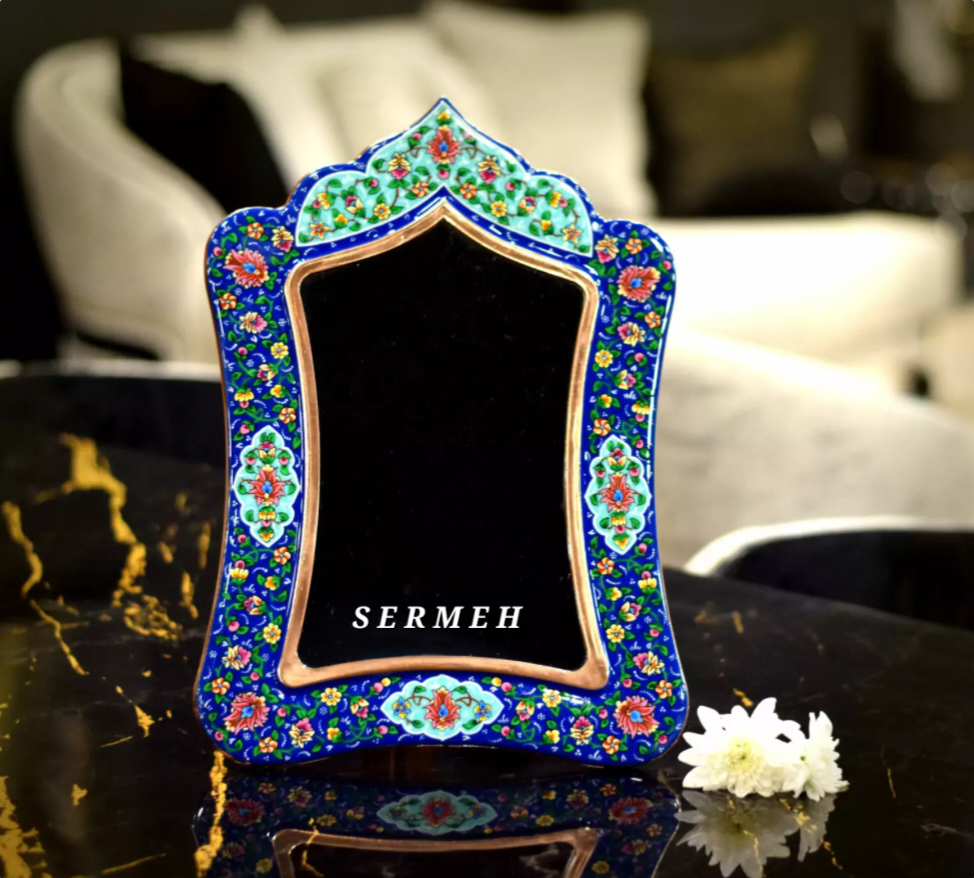
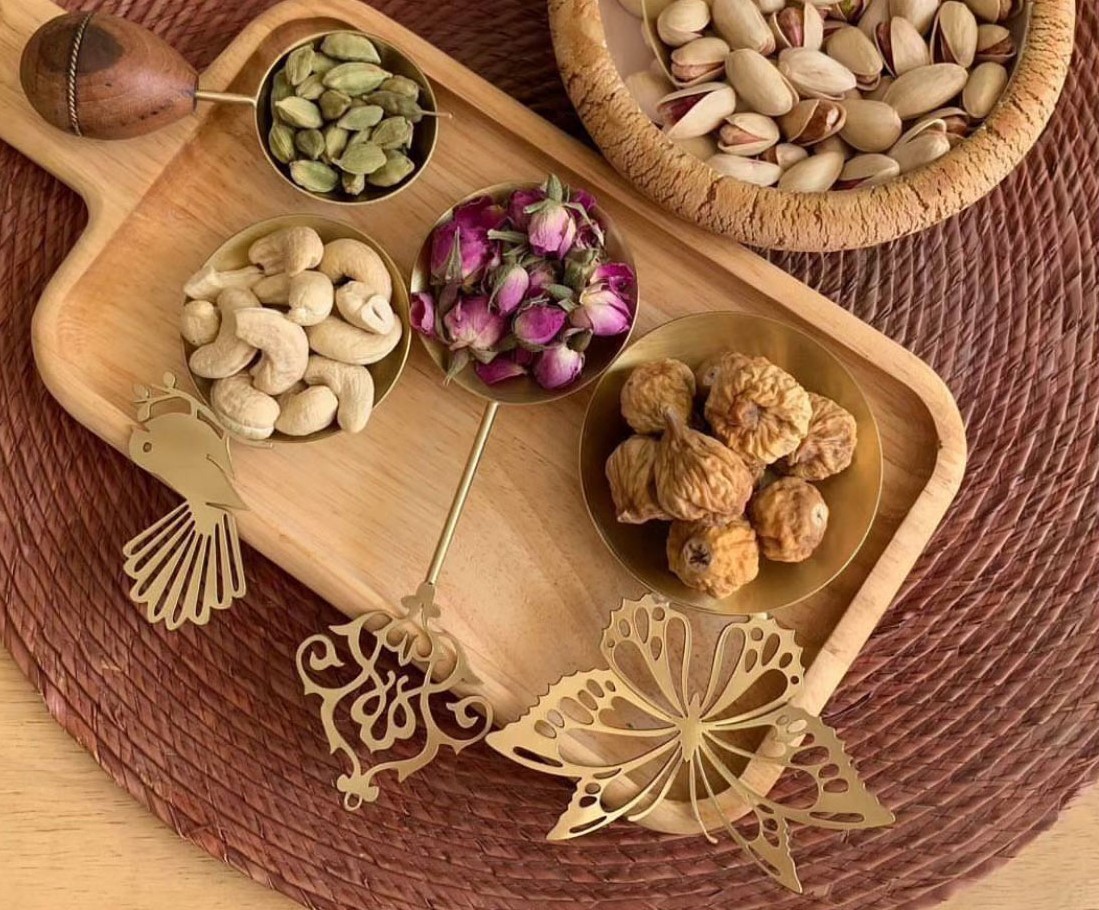
Today, woven products are widely used as home decorations, table mats, baskets, bags, and souvenirs. Many people appreciate handmade products because they are unique, eco-friendly, and represent traditional craftsmanship. As a result, mat weaving has become popular in both local and international markets.
Challenges and Preservation
Despite its importance, mat weaving faces several challenges, including industrial production, changing consumer preferences, and the declining number of young artisans. Governments, cultural organizations, and local communities can help preserve this craft by providing training, financial support, and opportunities to promote handmade products.
Conclusion
Mat weaving is more than a traditional handicraft; it is a valuable part of cultural identity and artistic heritage. By preserving this craft and supporting skilled artisans, future generations can continue to enjoy its beauty, usefulness, and cultural significance. Mat weaving demonstrates how traditional knowledge can remain relevant in the modern world while promoting sustainability and cultural diversity.