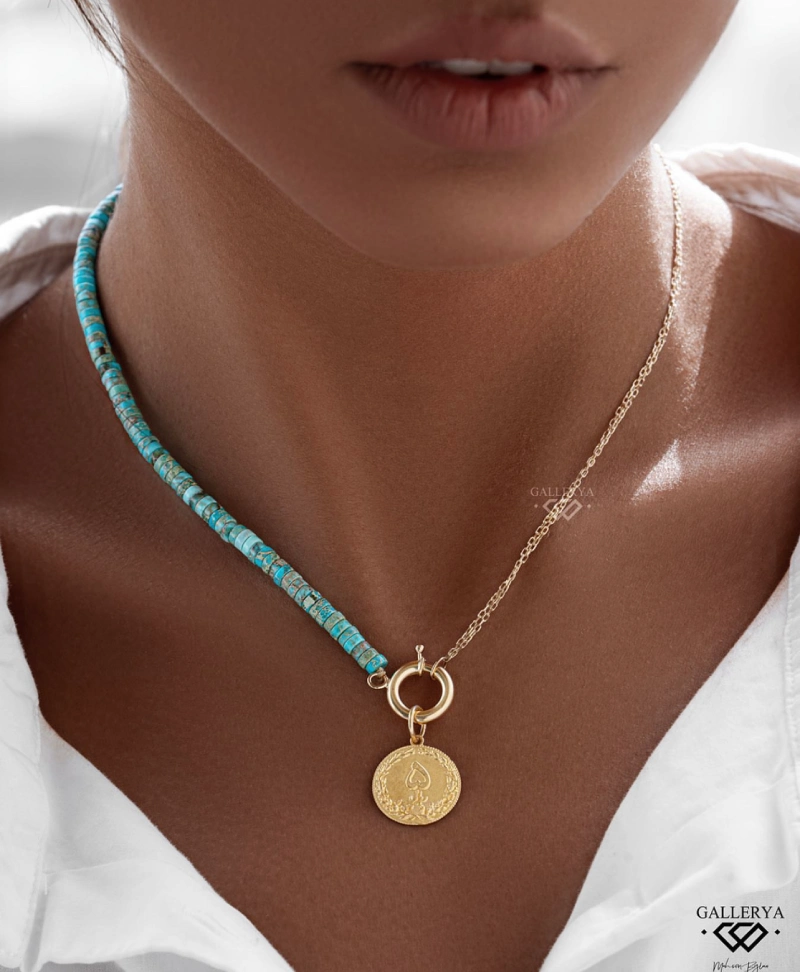
Iranian jewelry
Persian jewelry is more than just adornment — it’s a dazzling tapestry of history, culture, and artistry that has sparkled for thousands of years. From ancient Persian empires to modern-day artisans, the materials used in Iranian jewelry are as diverse and fascinating as the stories they tell. Let’s take a joyful dive into the world of Iranian jewelry through the lens of its materials, exploring their unique qualities and enchanting allure.
Why do people use jewelry?
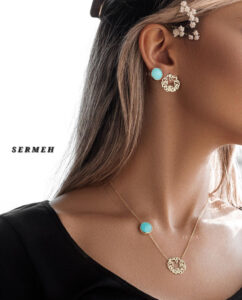
Today, men and women use jewelry for its beauty and value. Any ornaments, following aesthetic principles, will make every woman’s or gentleman’s style. But the use of jewelry, besides beauty, has another reason. For thousands of years, people have used different jewelry as a symbol or symbol. This symbol sometimes meant in terms of wealth and social class, and sometimes spiritually.
In Iran, for example, turquoise stone has been a sign of paradise. The use of turquoise in jewelry is also done for this purpose. Interestingly, the Tibetans view turquoise as a symbol of wisdom and a sign of death and life. Turquoise was also a sign of a woman in ancient Greece. For this reason, the maidens used turquoise stone in their ring or other jewelry. Apart from different stones, the use of symbols such as a tree of life has also been common in jewelry, such as a necklace. Today, these kinds of jewelry are called stemont. Which conveys some kind of message or statement to the audience.
A variety of jewelry or jewelry
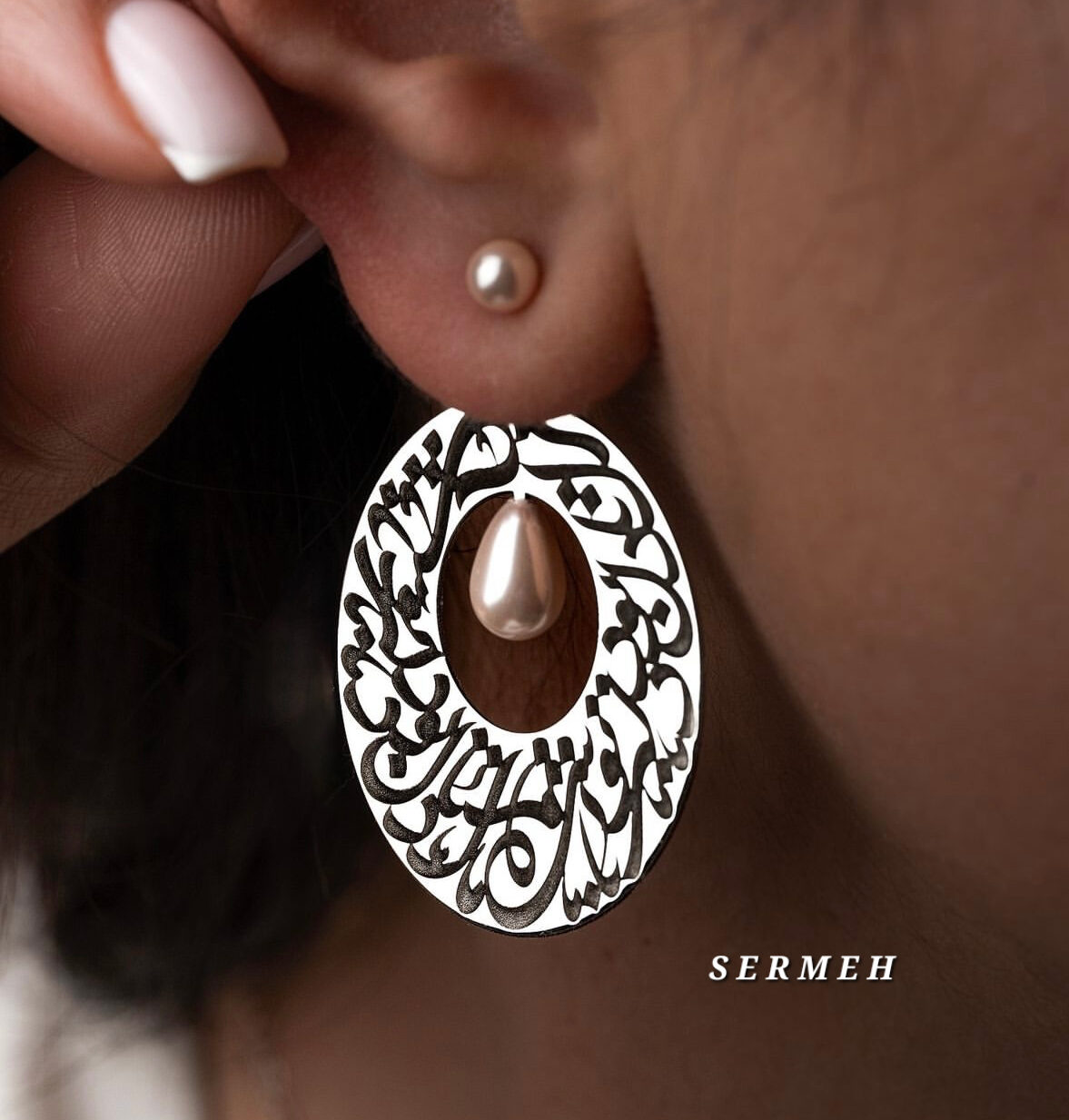
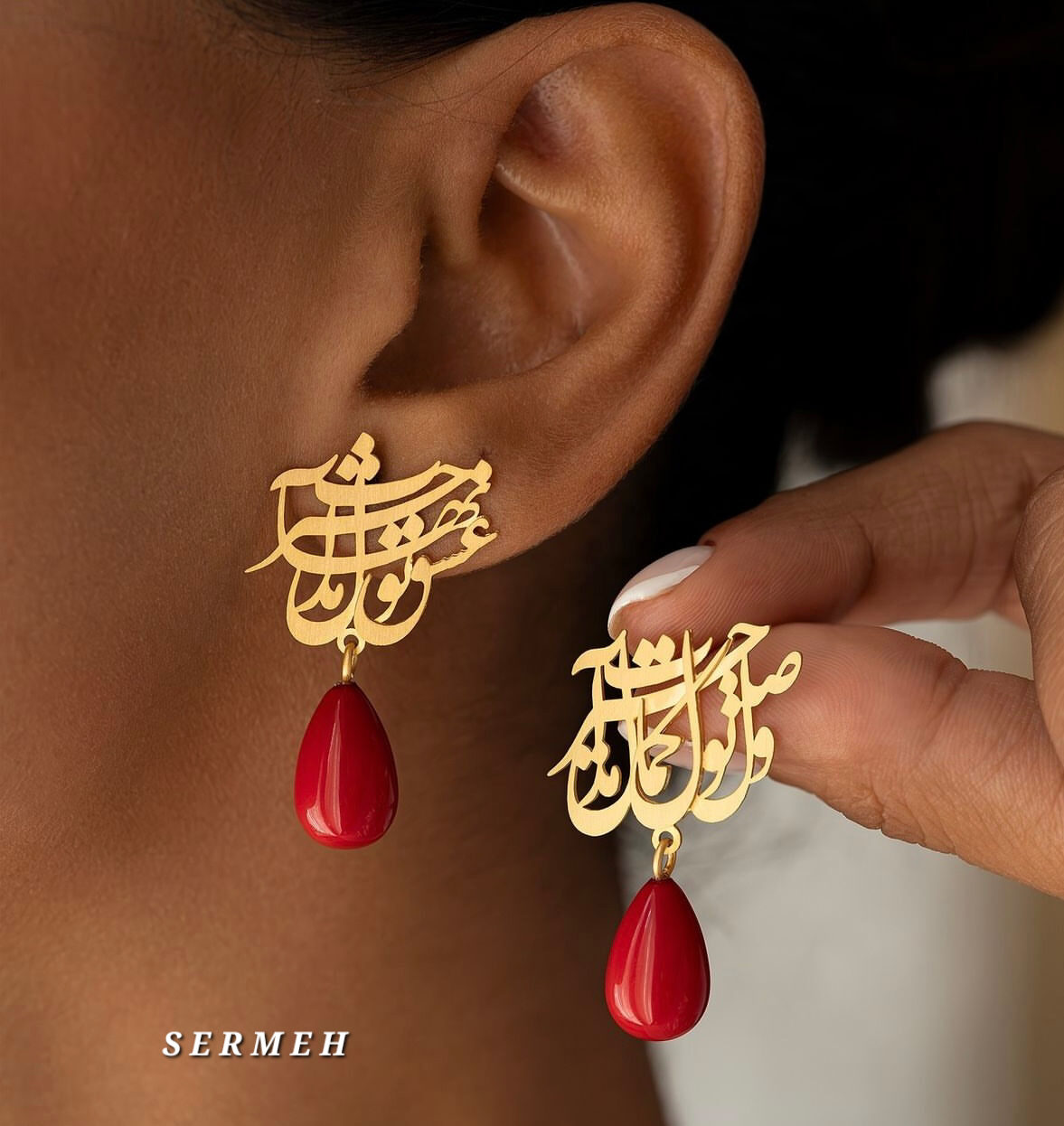
Jewelry includes rings, bracelets, bangles, earrings, necklaces and piercings. Of course, there are other names from the combination of these jewelry and jewelry. Terms such as set, half, and service are these combinations. The jewelry also includes silver, gold, turquoise, pottery and more.
Gold: The Eternal Radiance
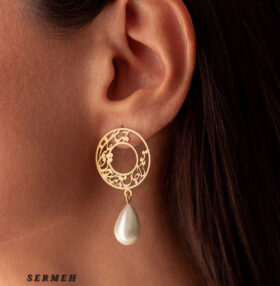 Gold holds a sacred place in Persian jewelry traditions. Renowned for its rich, warm glow, Persian gold symbolizes wealth, power, and divine beauty. Iranian goldsmiths are masters at crafting intricate designs, often inspired by Persian poetry and nature. Beyond its irresistible shine, gold is cherished for its malleability — it can be moulded into delicate filigree or bold statement pieces without losing strength. Plus, its resistance to tarnish means Iranian gold jewelry keeps glowing for generations.
Silver: The Moonlit Charm
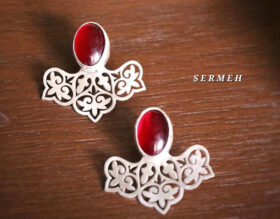 Silver jewelry in Iran carries a mystical aura, often linked to the moon’s gentle light. This metal is prized for its cool, bright sheen and affordability, making it accessible to a wide range of people. Iranian silversmiths excel in embossing, engraving, and creating detailed patterns, especially in tribal and nomadic communities. Silver’s versatility allows it to pair beautifully with colourful stones, enhancing the cultural vibrancy of each piece. Its natural antibacterial properties are a bonus for everyday wear.
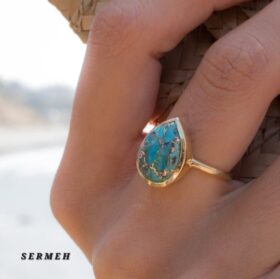
Turquoise: The Sky’s Gift
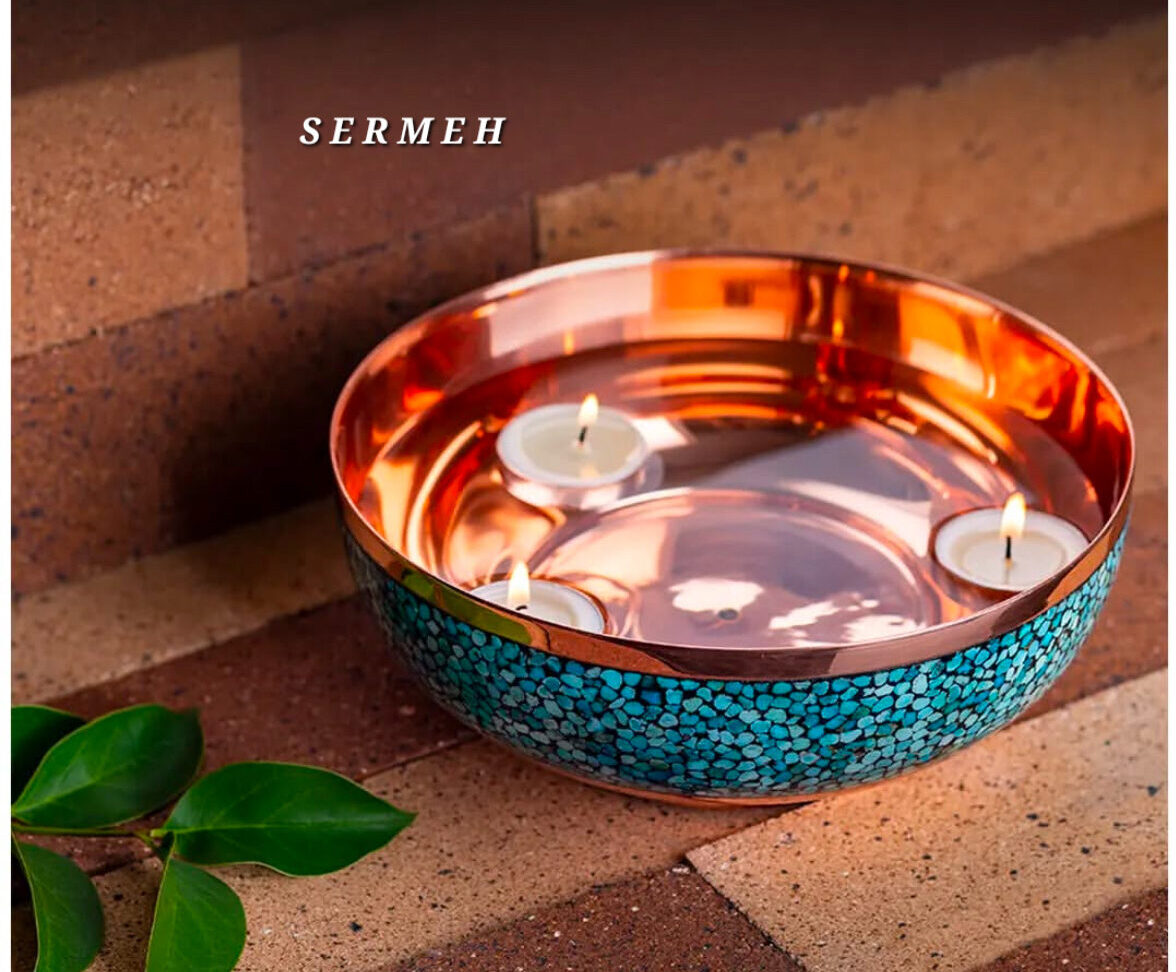
While technically a gemstone, turquoise is almost inseparable from Iranian jewelry. Iran’s Nishapur region produces some of the world’s finest turquoise, known for its deep, mesmerizing blue-green hues. Embedded in silver or gold, turquoise is believed to bring protection, health, and good fortune. Its porous nature demands gentle care, but its vibrant colours make it a signature feature in necklaces, rings, and bracelets — a splash of sky you can carry everywhere.
Enamel: The Painter’s Palette
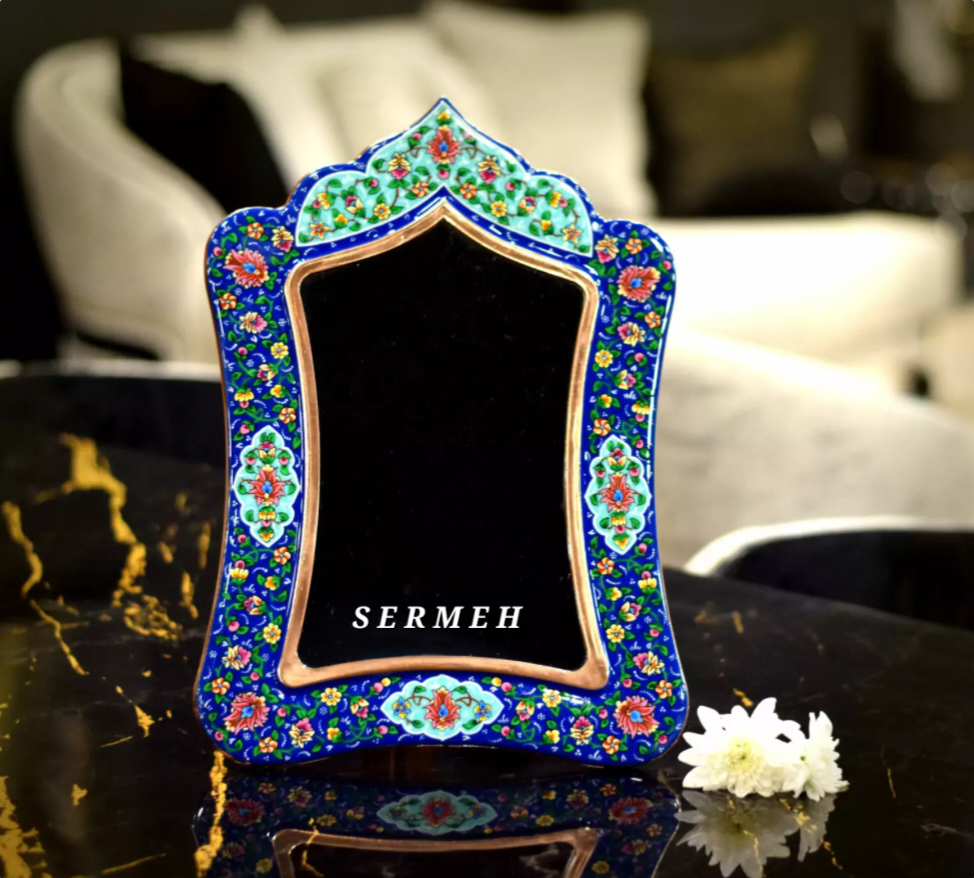
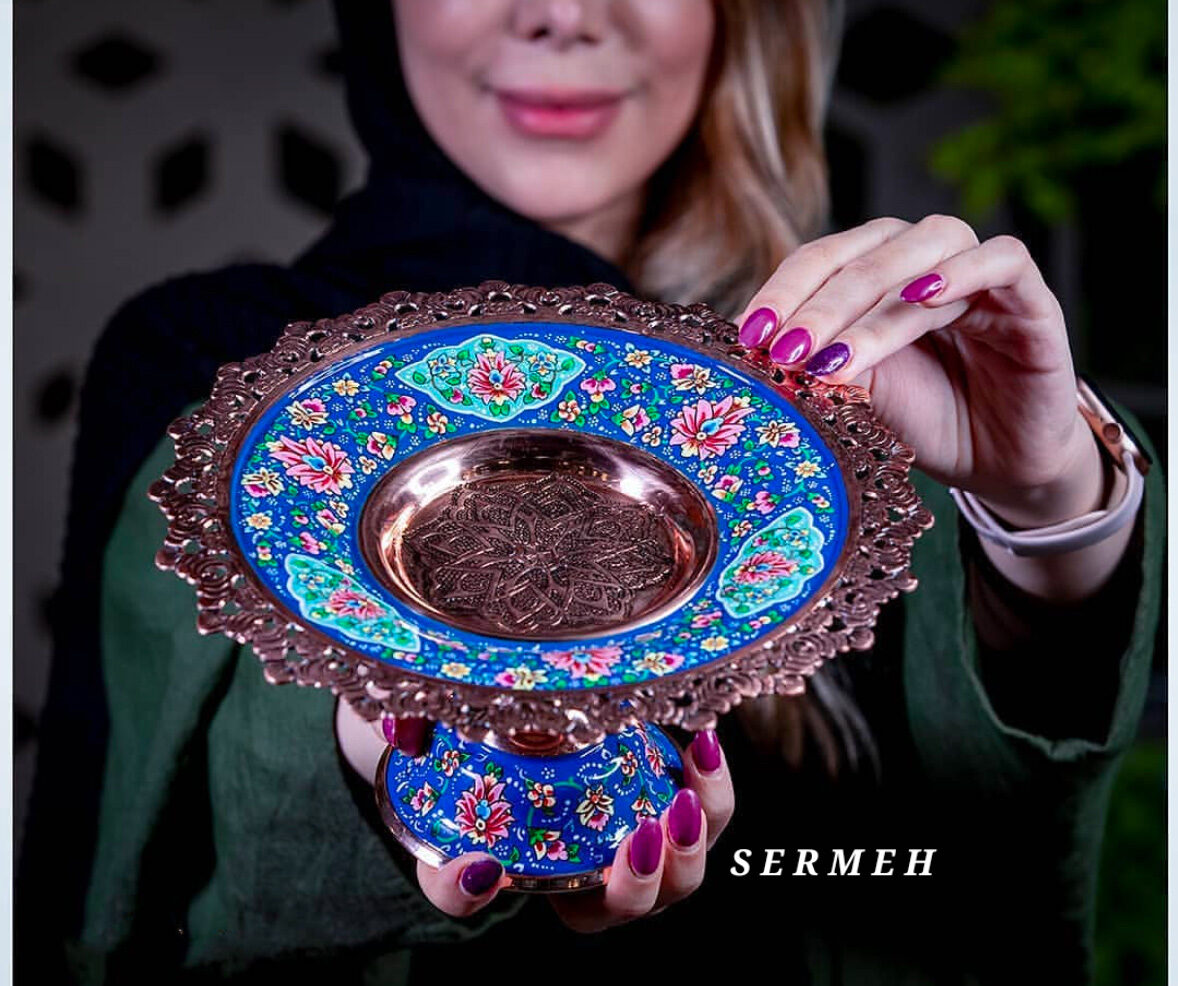
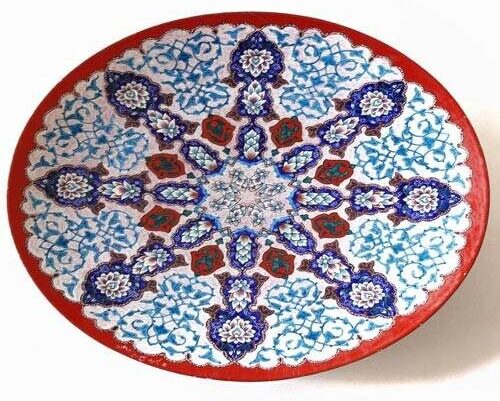
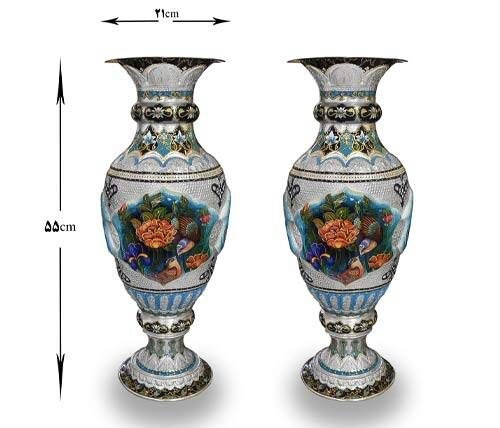
Enamel work, or “minakari,” is a jewel within Iranian jewelry, adding bursts of colour and intricate imagery on metal surfaces. Artisans use powdered glass fused at high temperatures to create dazzling designs ranging from floral motifs to mythical scenes. This technique blends metal’s solidity with the delicate vibrancy of colour, producing jewelry that’s both sturdy and visually captivating. Minakari pieces often become treasured heirlooms due to their artistic depth.
Gemstones: Stories in Stone
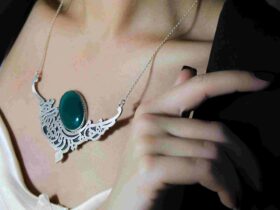 Persian jewellery is a gallery of colourful gemstones — from deep garnets and sparkling diamonds to the rare and precious spinels and agates. Each stone carries symbolism and healing properties, woven into Persian folklore. Gemstones are carefully selected not only for beauty but also for their metaphysical energy, believed to influence the wearer’s fortune and well-being. The interplay between gemstone and metal is a dance of tradition and style, showcasing Iran’s love for detail and elegance.
Iranian jewellery is a celebration of materials, craftsmanship, and culture. Whether it’s the eternal glow of gold, the moonlit charm of silver, the sky’s gift of turquoise, the vibrant art of enamel, or the storytelling power of gemstones, each piece reflects a unique facet of Iran’s rich heritage. Wearing Iranian jewelry isn’t just about accessorizing — it’s about carrying a piece of history, magic, and beauty wherever you go.