

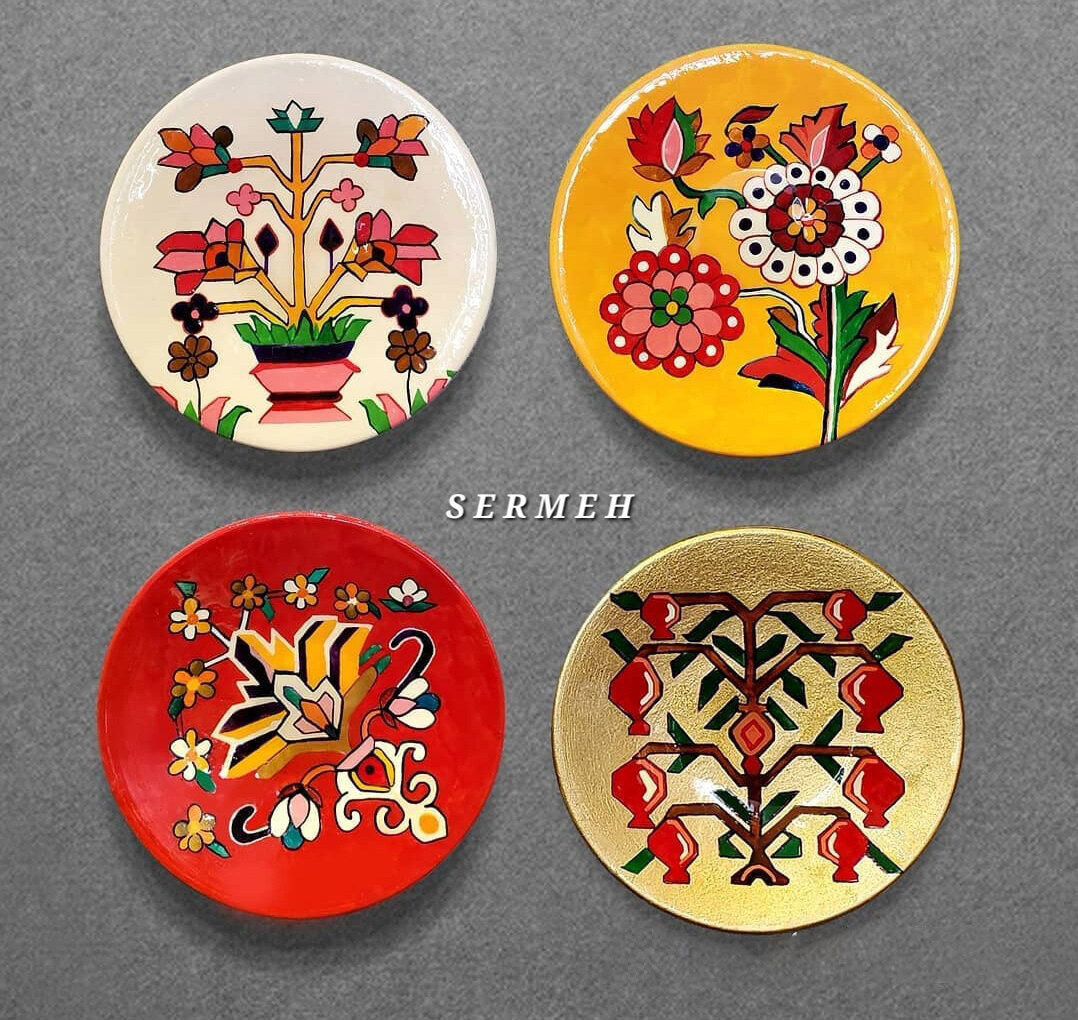
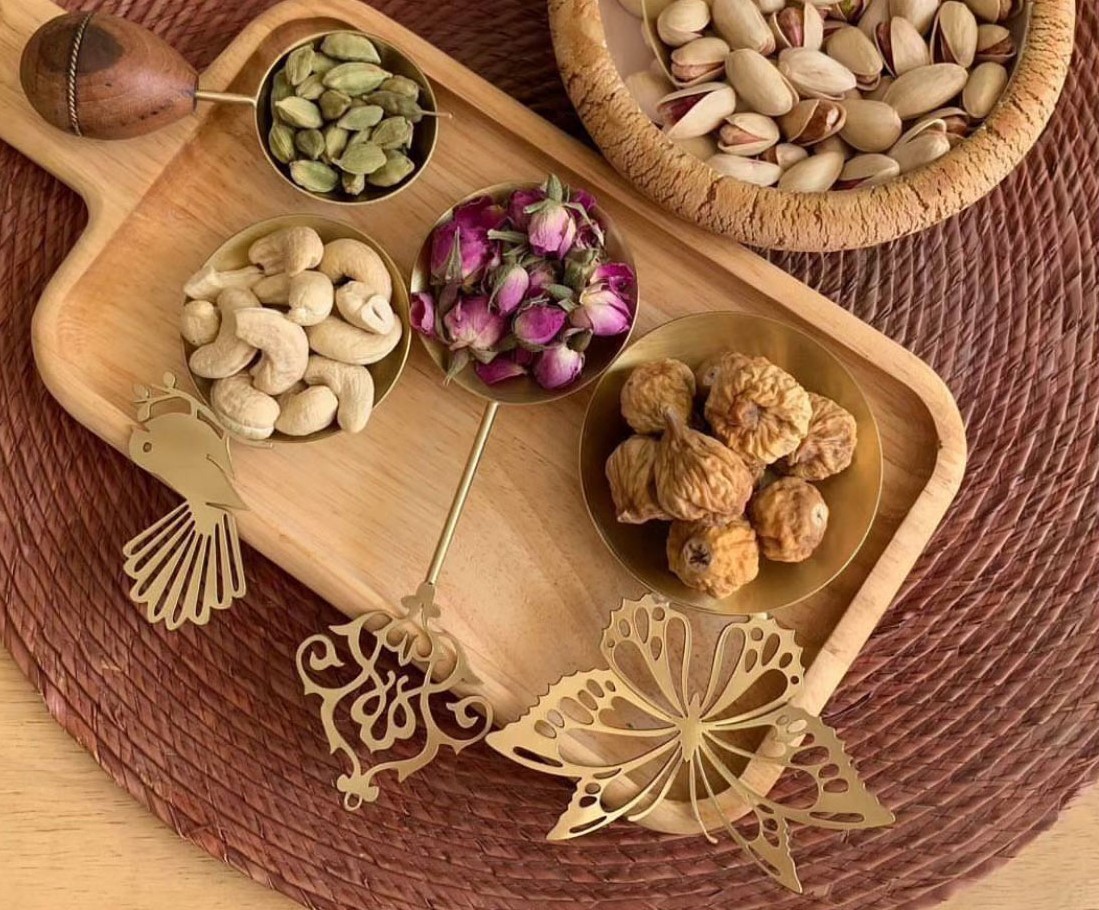
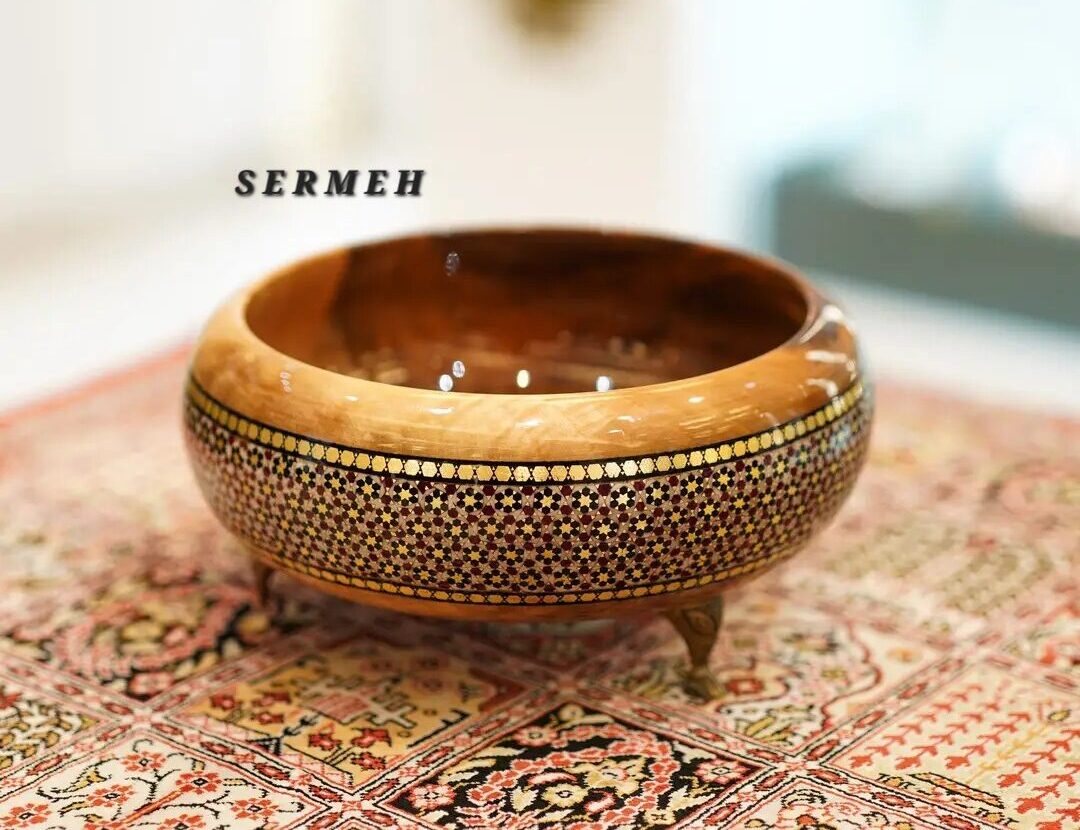
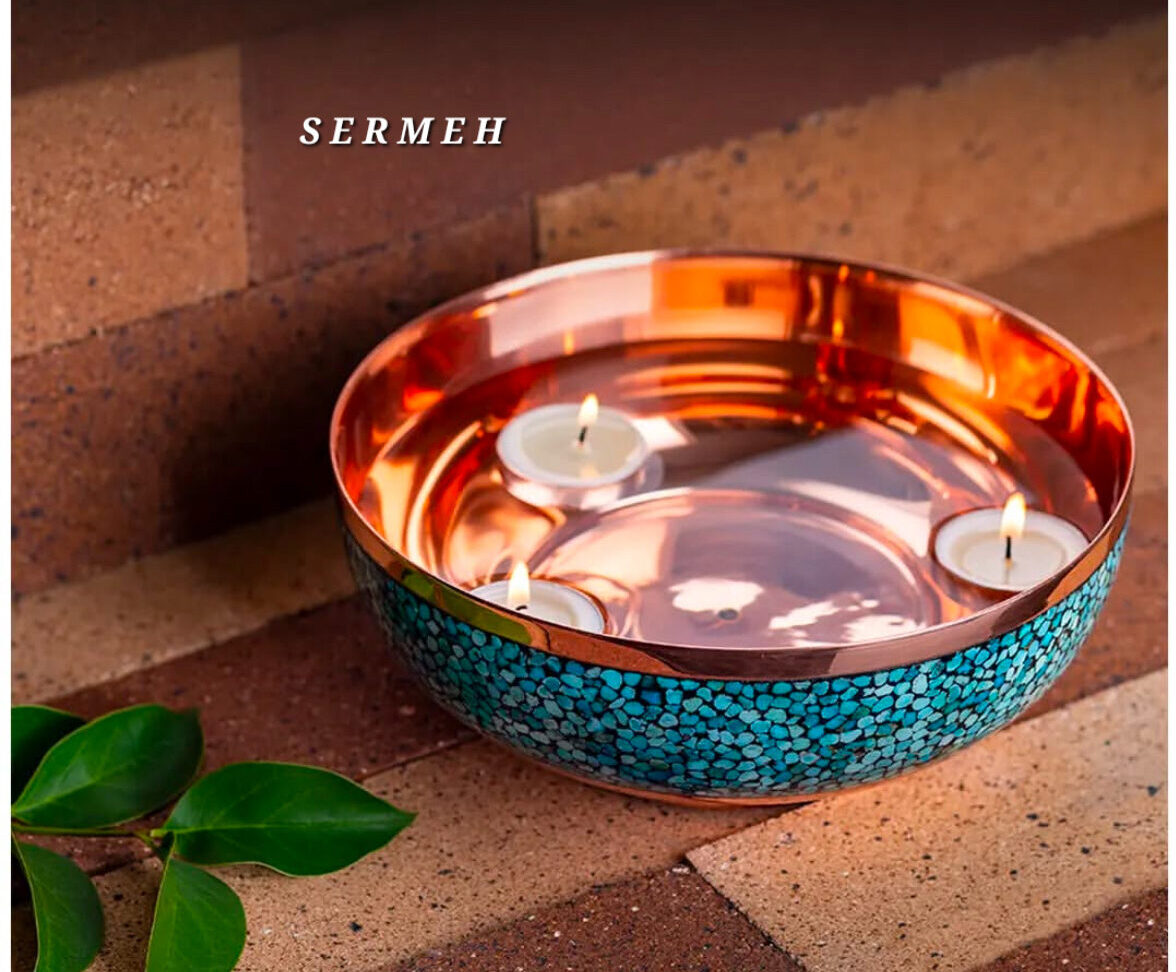
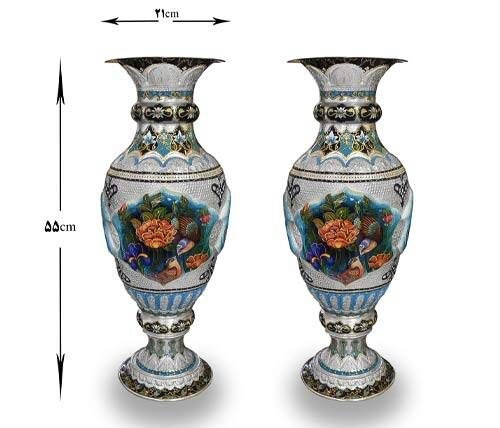
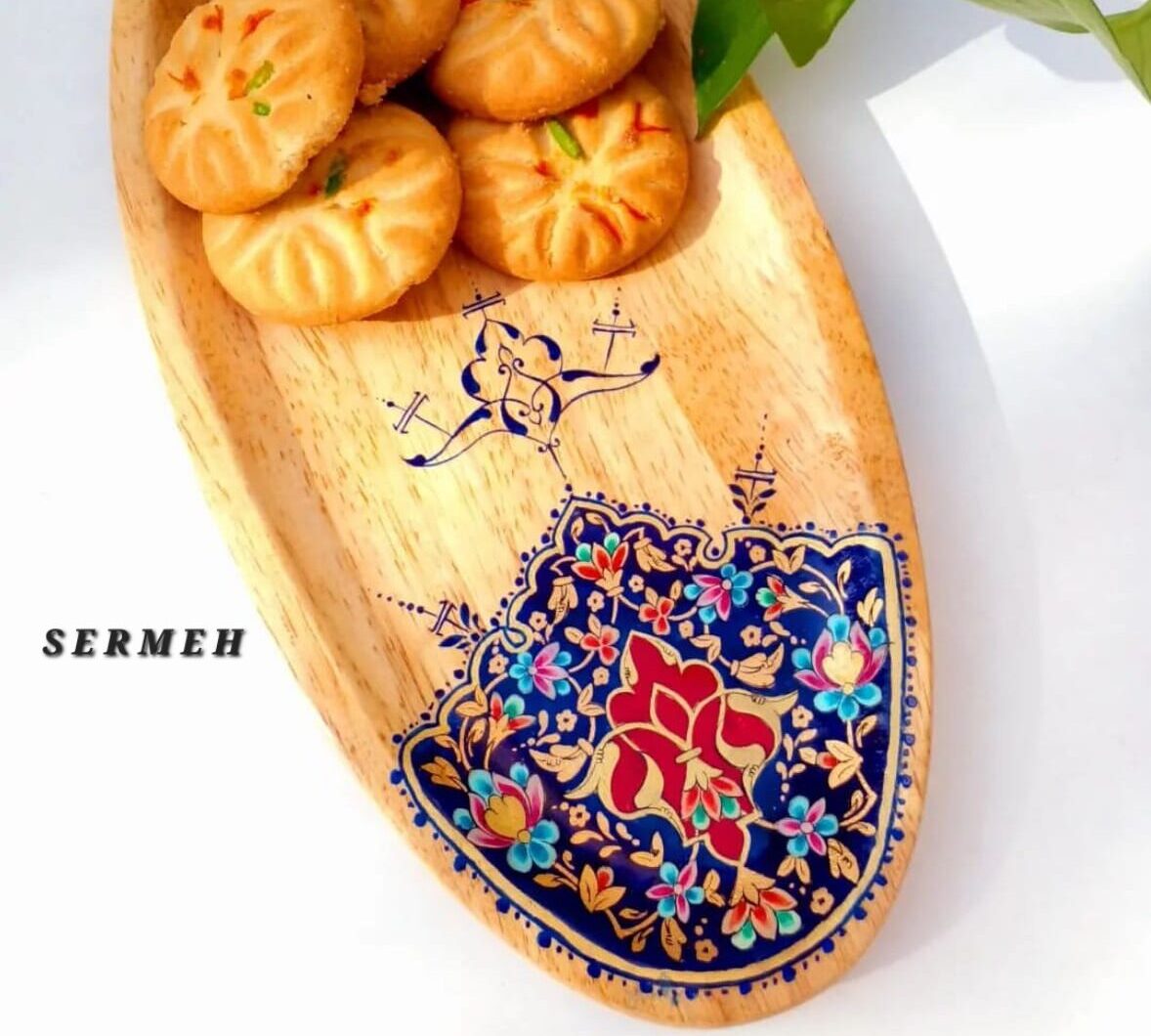
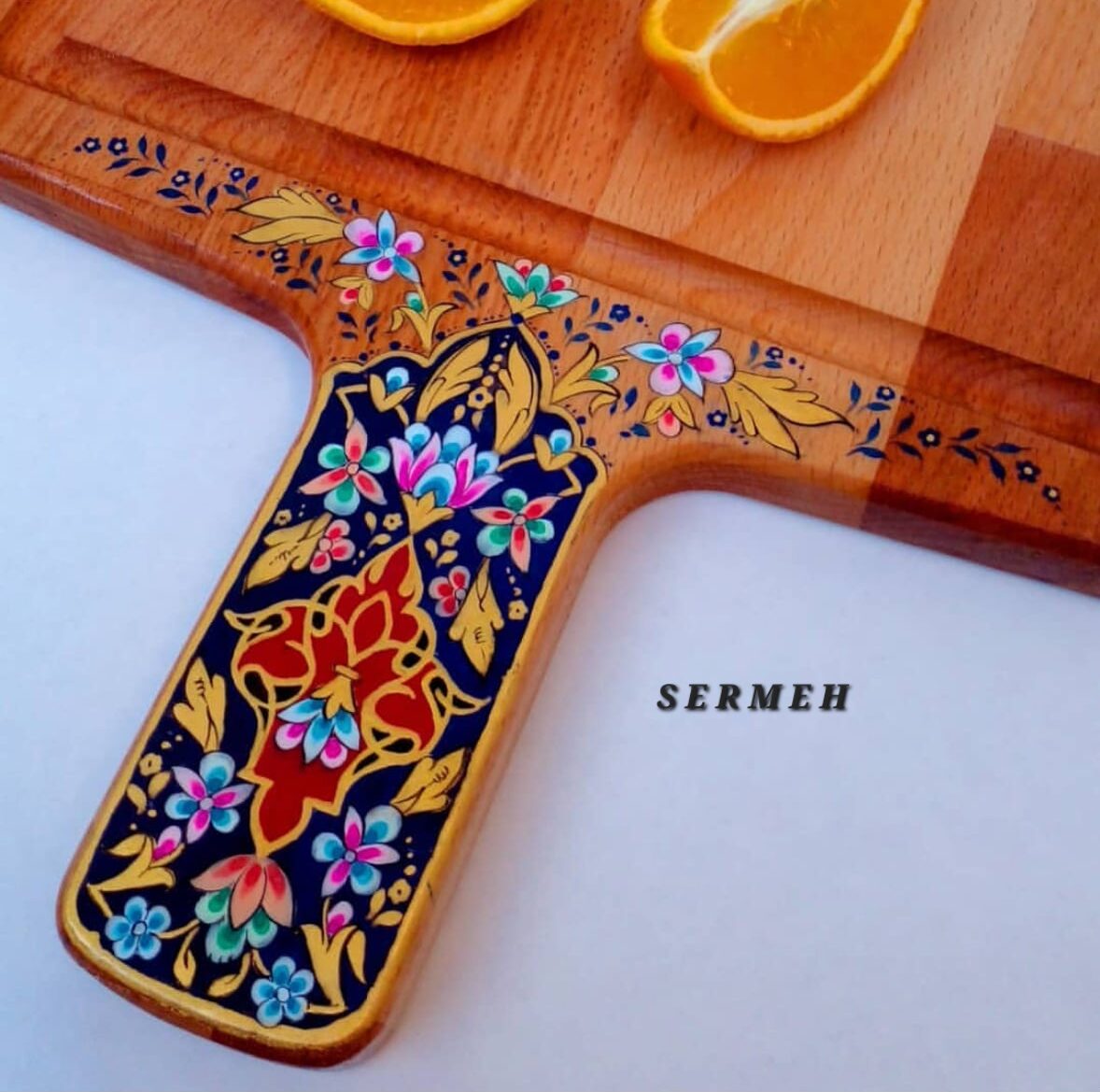
Tazhib Persian pattern
In a world bursting with colours and patterns, there’s a delicate art that quietly dazzles — not with loud strokes, but with shimmering gold, poetic designs, and centuries of soul. It’s called Tazhib, the traditional Persian art of illumination. More than just decoration, Tazhib is a dance between geometry, spirituality, and beauty — an ancient whisper from the heart of Iran’s artistic soul.
What Is Tazhib?
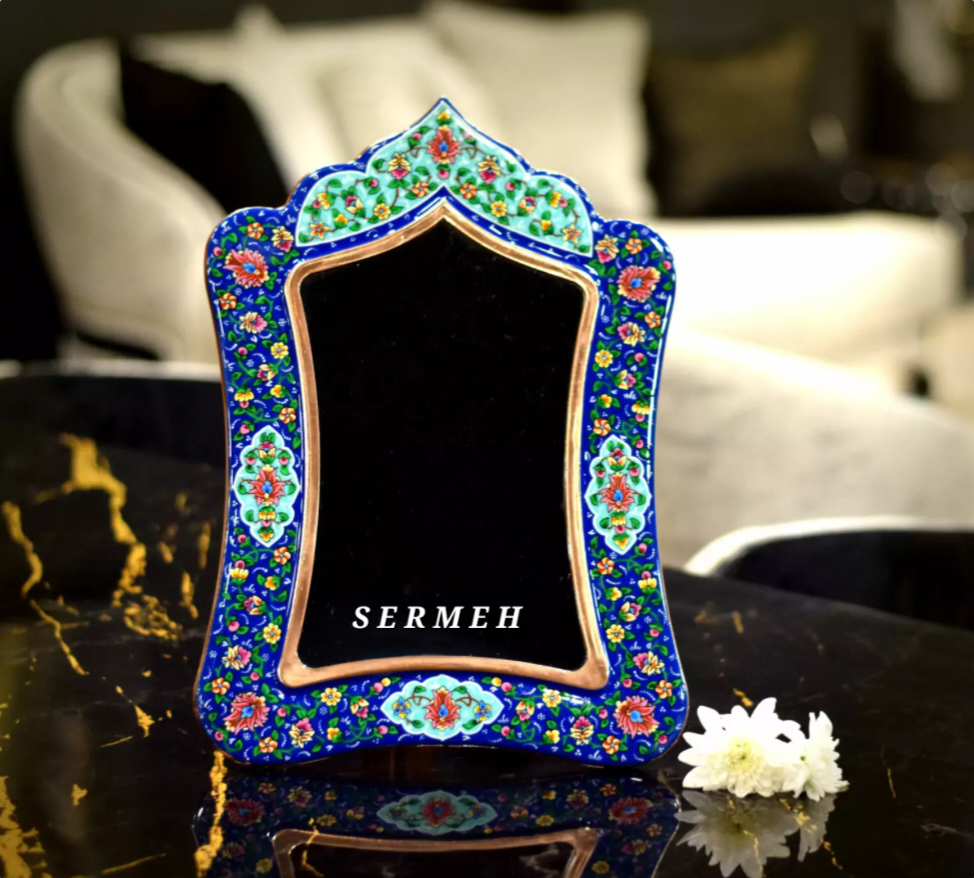
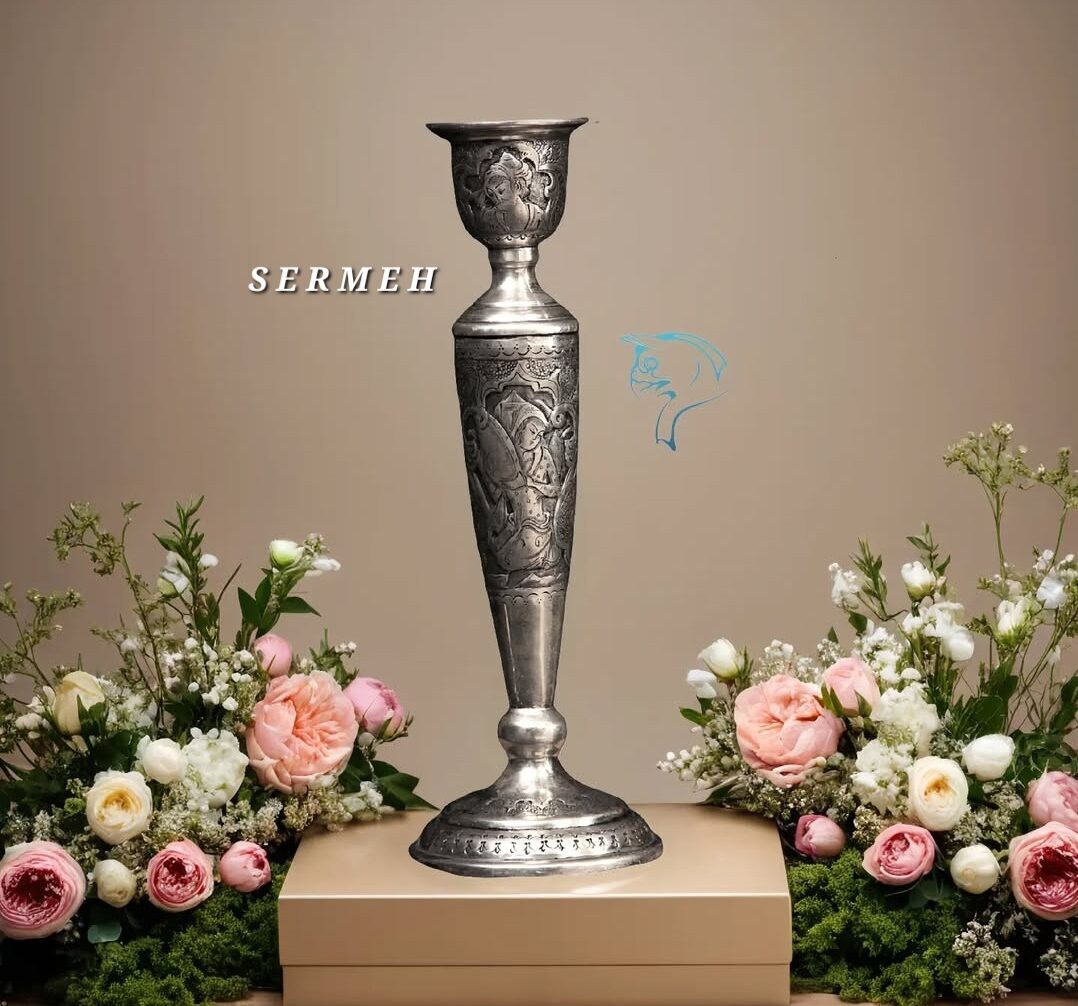
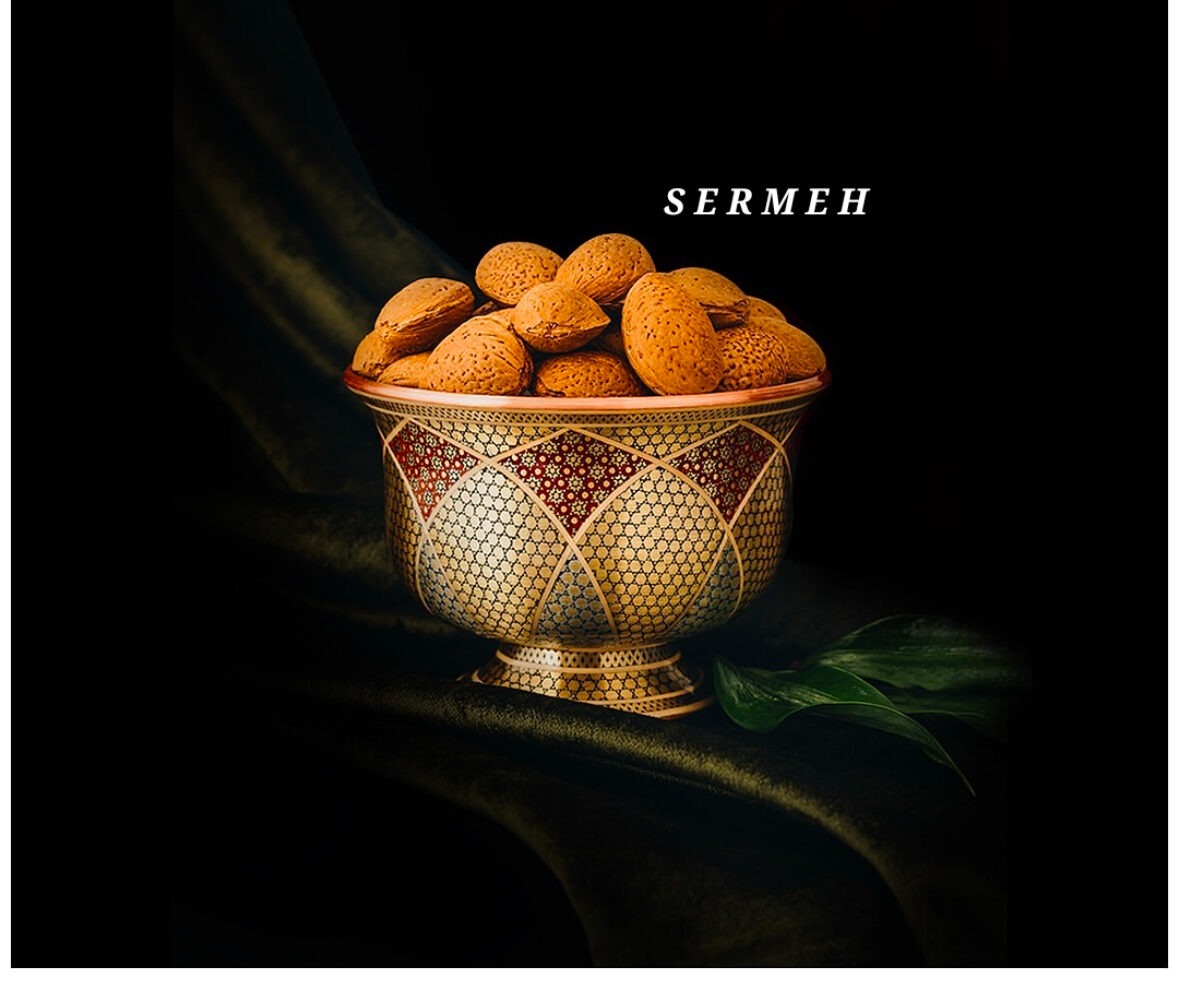
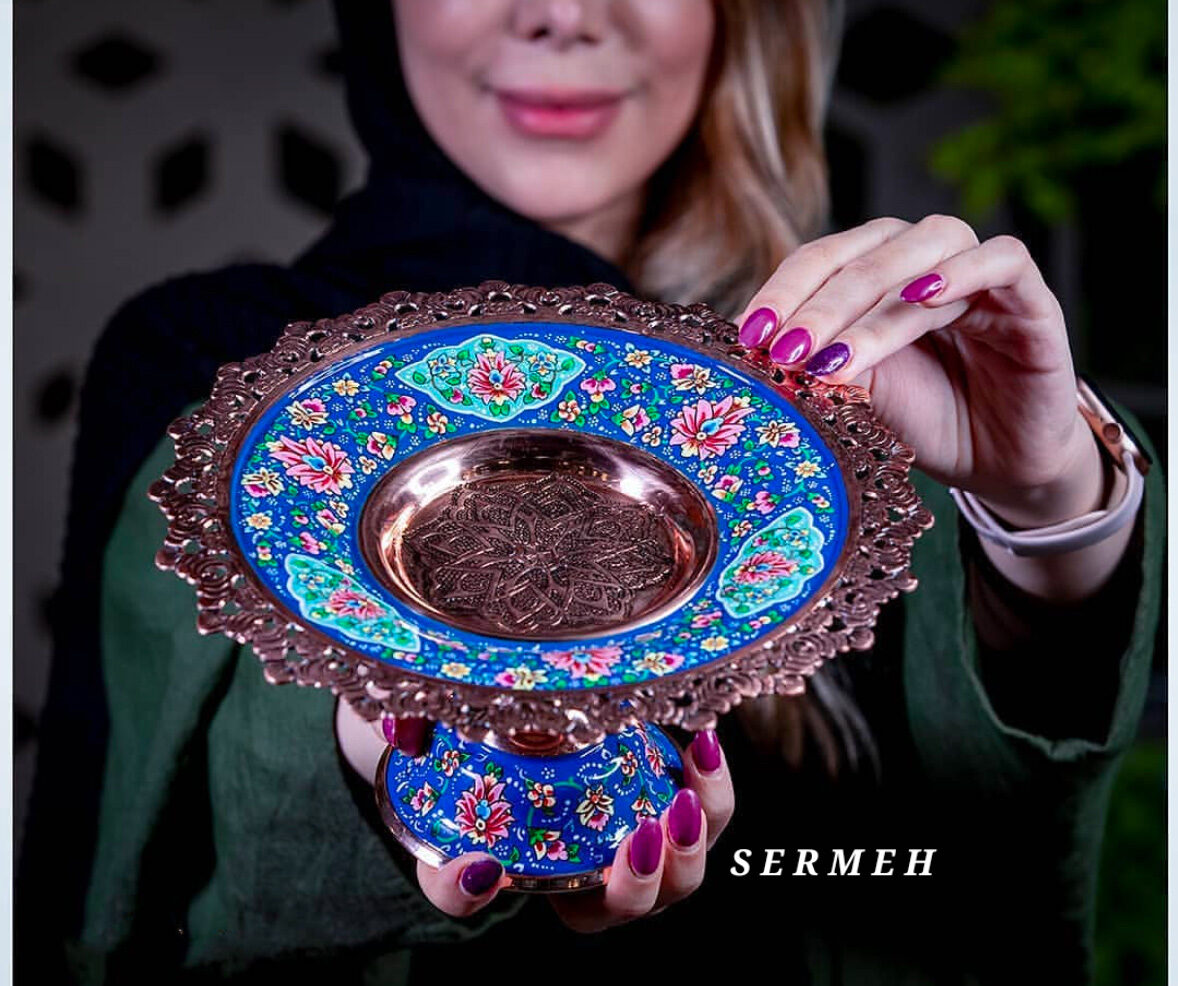
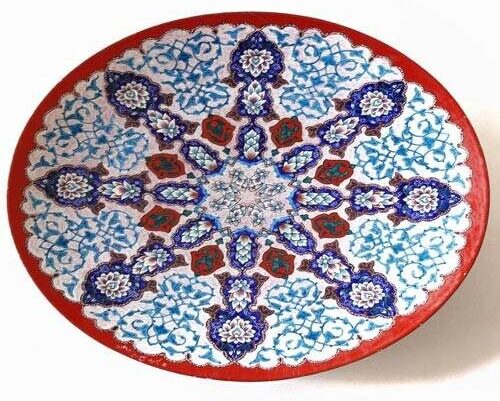
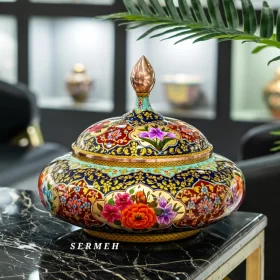
Tzhib or Illumination is one of the most famous art disciplines and handicrafts in Iran that has been used for many years to decorate buildings, books, artworks and various containers. The illumination of the art of adorning texts, books, panels and works of art and historical monuments is in different ways of painting and design. The artist decorates the artist using exquisite motifs and the use of colours and goldsmiths, religious texts, poems, calligraphy works, fabrics and various monuments. These decorations are found in different parts of these works. The word Tazhib comes from the Arabic root “zahab”, meaning gold, and that’s no coincidence. At its heart, Tazhib is the art of adorning manuscripts, calligraphy, and even architecture with gold leaf, intricate patterns, and heavenly motifs. Imagine golden vines curling around the verses of a poem, or a shimmering sunburst surrounding the name of God in a Qur’anic manuscript — that’s Tazhib.
It’s not just about adding colour or ornamentation — it’s about adding meaning, light, and spirit.
A Brief Stroll Through History
Tazhib Persian pattern has been blooming in Iran for over a thousand years, evolving through dynasties and empires. From the delicate designs of the Timurid era to the colourful explosions of the Safavid period, each generation of Persian artists added their touch, blending Islamic geometry, nature’s elegance, and Sufi spirituality.
During the Islamic Golden Age, illuminated manuscripts were treasures, often created for kings, scholars, or religious institutions. These weren’t just books — they were sacred experiences, wrapped in gold and devotion.
The Soul of the Art: Features and Style
What makes Tazhib so unique? Let’s unwrap its charm:
-
🌿 Nature-Inspired Motifs: Tazhib is deeply rooted in Persian love for gardens, flowers, leaves, and vines. These aren’t just decorative; they symbolize paradise and eternal beauty.
-
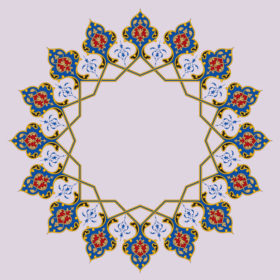
🎨 Symmetry and Geometry: Every line, curve, and colour is balanced with astonishing precision. The repetition of patterns isn’t monotonous — it’s meditative. A reflection of the universe’s harmony.
-
✨ Gold Leaf and Bright Colours: Gold is the star of the show, but Tazhib also features vibrant blues, reds, and greens — all chosen with purpose. The colours often reflect spiritual symbolism or the emotional tone of the text.
-
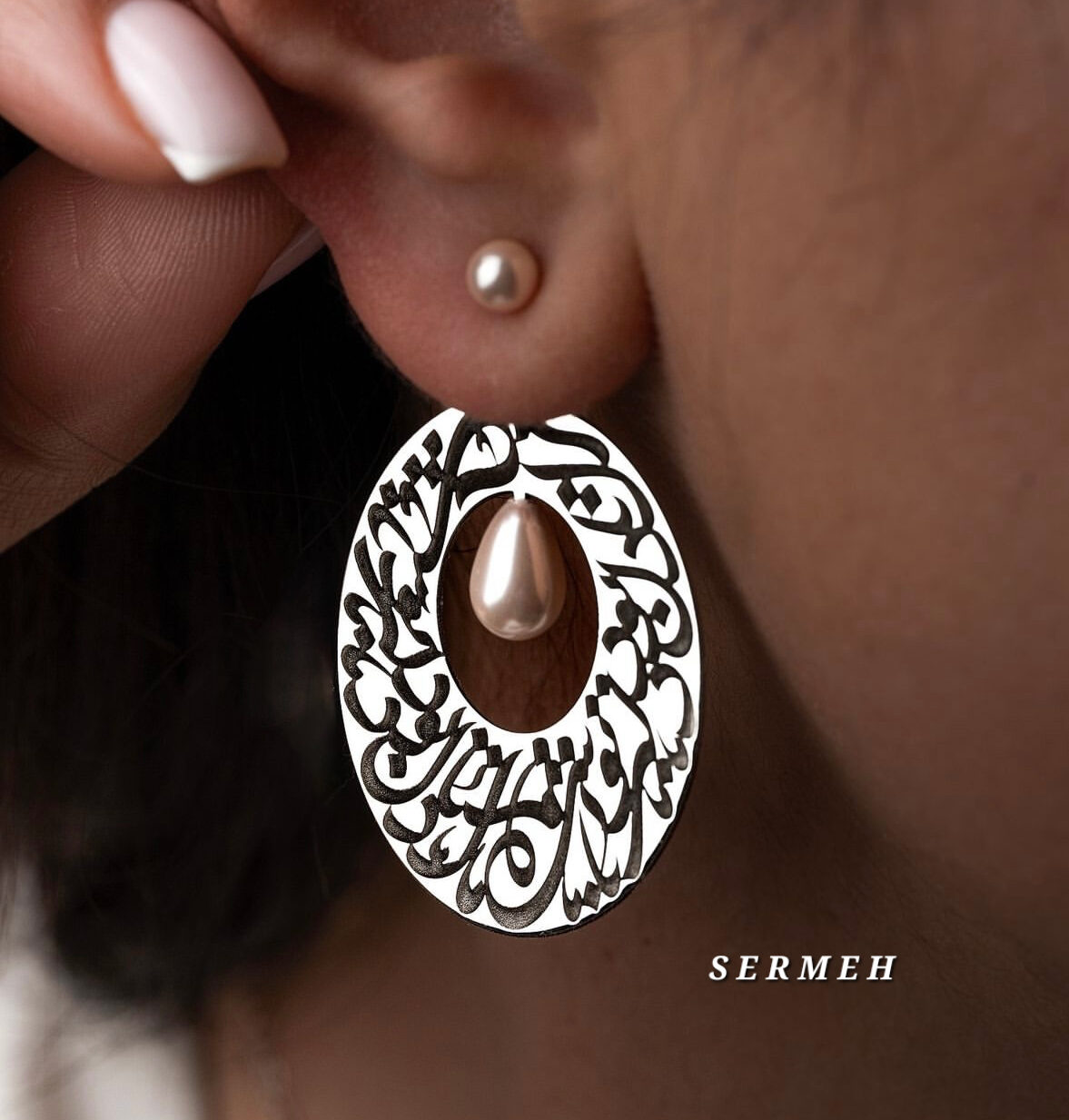
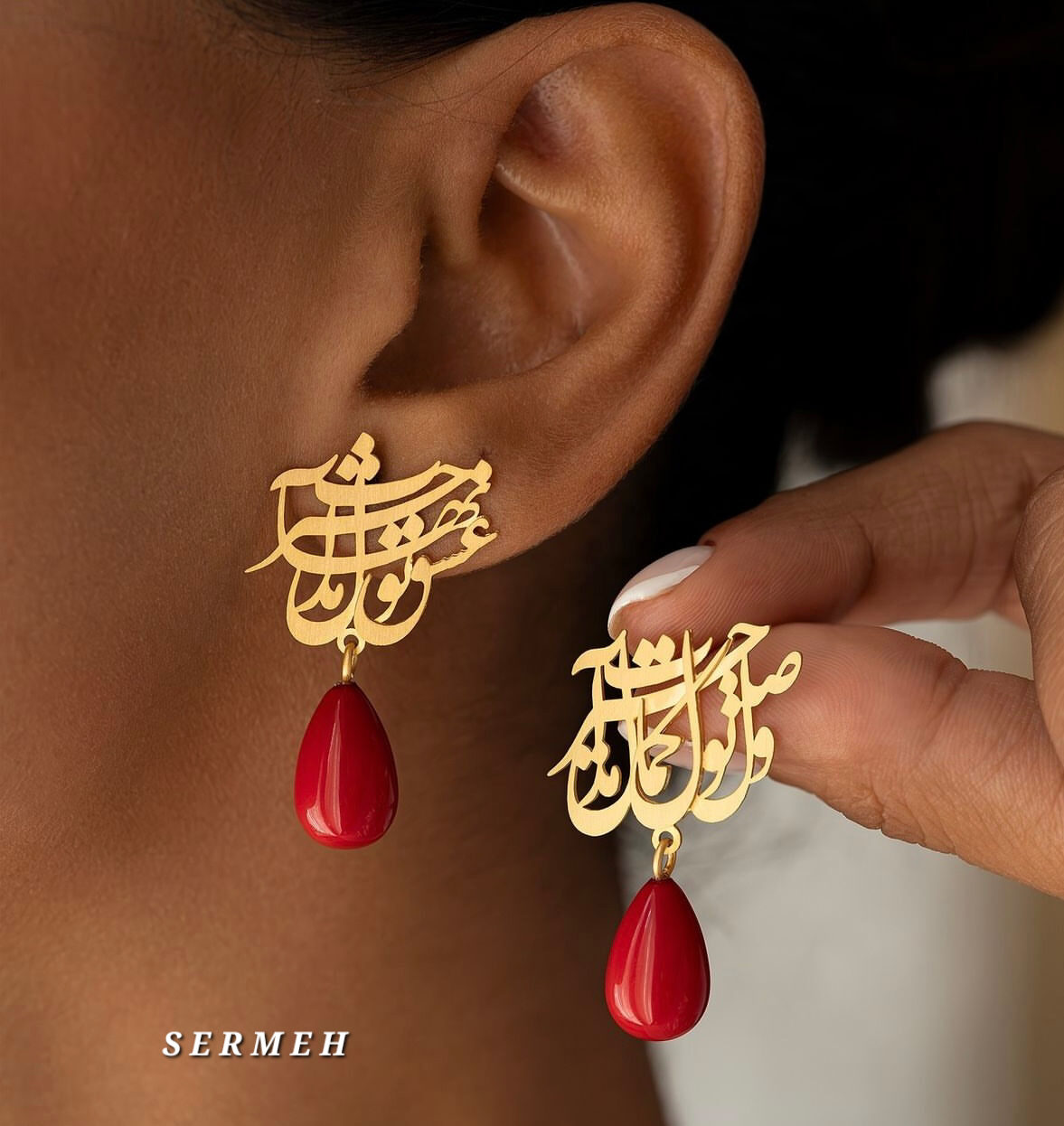
🖋️ Frame for the Word: Tazhib often works hand-in-hand with Persian calligraphy. The text might be a verse from the Quran, a poem by Hafez, or a royal decree. Tazhib gives it a home, a visual aura — like dressing a poem in silk and gold.
How Is It Made?
Creating Tazhib is a labour of love and patience. Here’s how it typically happens:
-
Design: The artist first sketches the patterns on paper, often using compasses, rulers, and a well-trained hand. Precision is key.
-
Colouring: Natural pigments and brushes are used to paint the patterns.

-
Gilding: Thin layers of gold leaf are carefully applied — a meticulous and magical process.
-
Burnishing: The gold is gently polished to make it shine like a tiny sun.
-
Final Touches: Outlines and fine details are added for depth and clarity.
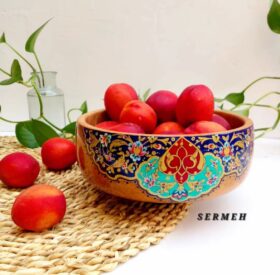
This can take days — or even weeks — for a single page. But the result? Timeless.
Tazhib Today: Still Alive, Still Glowing
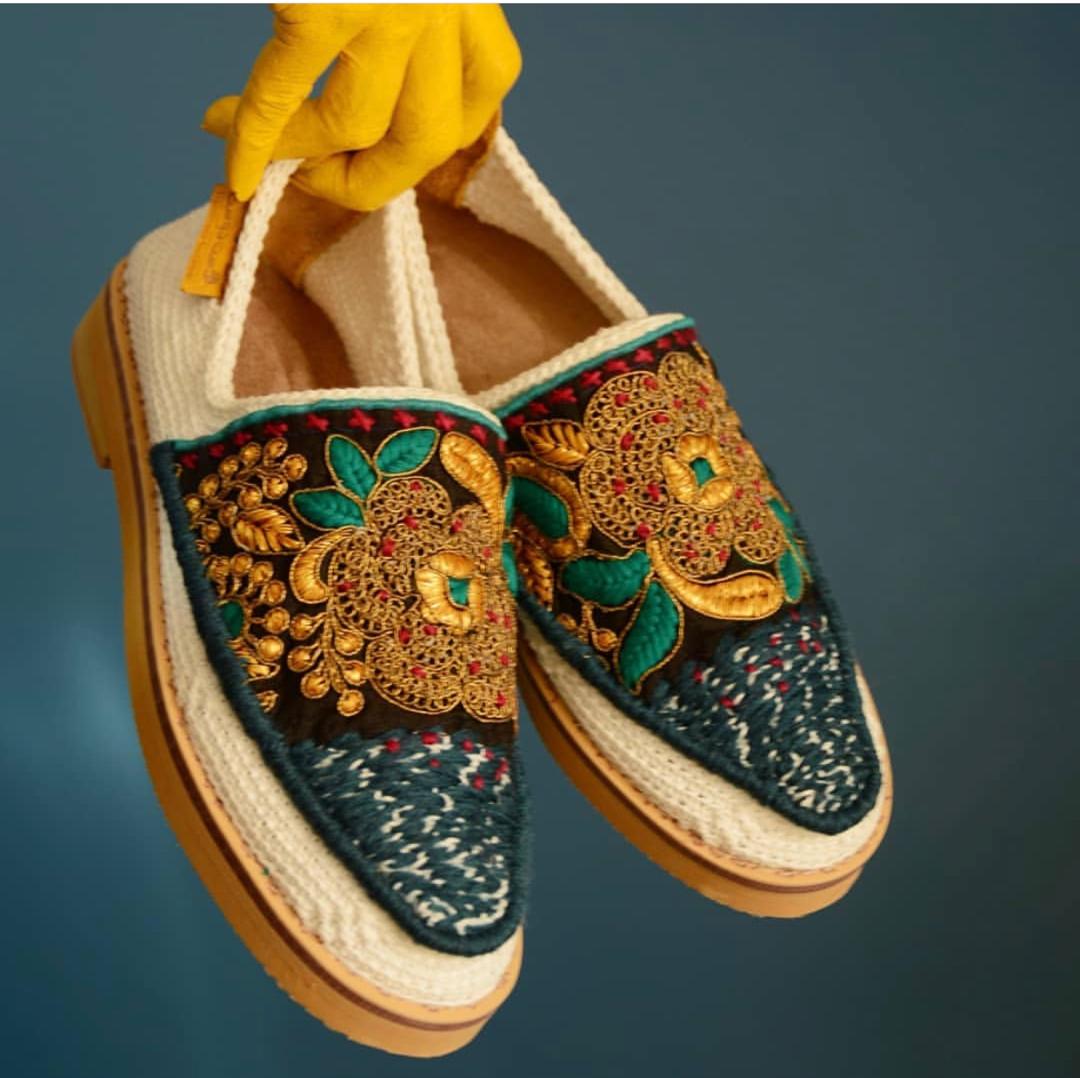
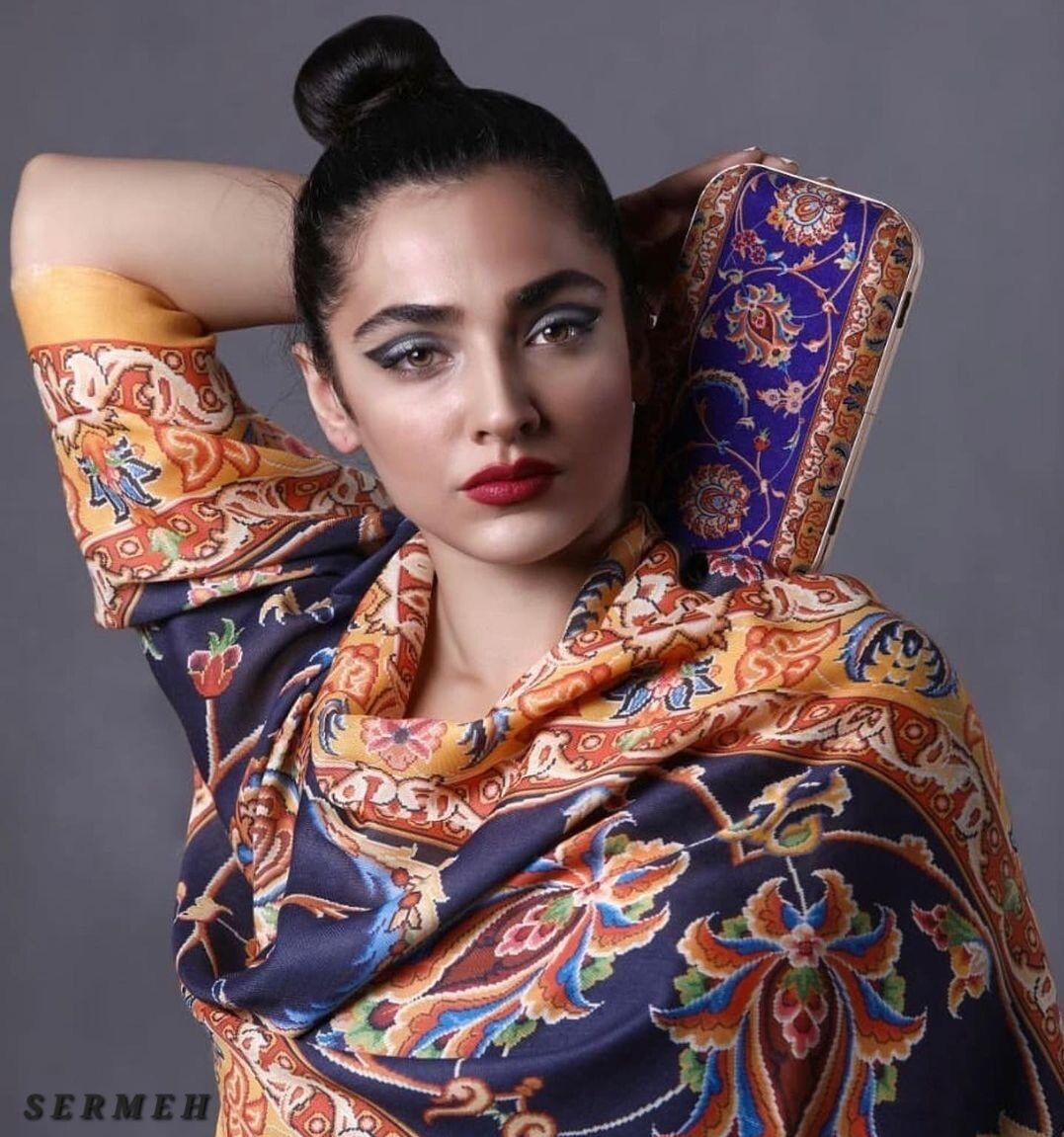
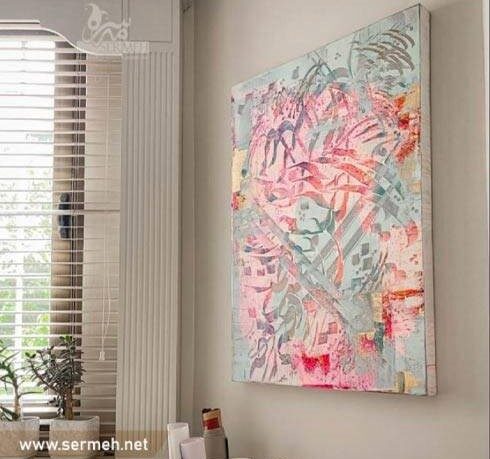
While its golden age may have passed, the Tazhib Persian pattern is far from forgotten. Contemporary Iranian artists are reviving this art form, blending tradition with modern taste. You might see Tazhib in modern calligraphy artworks, book covers, gallery pieces, or even fashion designs.
Workshops, exhibitions, and online platforms are helping to introduce this refined art to a new generation, both in Iran and around the world.
Why We Still Love It
Tazhib is more than an art form. It’s:
-
A celebration of beauty and order
-
A tribute to the sacred and poetic
-
A reminder of a time when books were treasured like jewels
-
A symbol of Iran’s deep connection to art, spirituality, and storytelling
In a fast-moving, digital world, Tazhib invites us to slow down, trace the golden lines, and lose ourselves in a quiet world of wonder.
Tazhib doesn’t shout. It sings — in gold, in silence, in detail. It’s a timeless reminder that beauty doesn’t always have to be bold — sometimes, it’s tucked into the curves of a leaf, glowing softly on the edge of a poem.
So next time you see one of those ornate Persian pages glowing with intricate patterns, take a moment. You’re not just looking at decoration. You’re looking at centuries of love, precision, and golden whispers from the past.