
Persian Tazhib
Persian Tazhib, often known as illumination art, is one of the most exquisite and sophisticated traditions in Iranian visual culture and Persian handicrafts. With its golden motifs, intricate geometric patterns, and spiritual symbolism, Tazhib has decorated Iranian manuscripts, Qurans, and royal documents for over a thousand years. Today, this ancient art form continues to fascinate collectors and art enthusiasts around the world.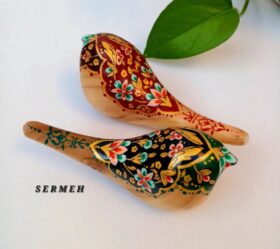
Persian Tazhib History
The word Tazhib comes from the Arabic word zahab, meaning “gold.” True to its name, Tazhib involves the use of gold leaf and delicate brushwork to create dazzling designs that frame texts or standalone artworks.
Traditionally, Tazhib was used to illuminate sacred manuscripts and literary works by Persian poets such as Hafez, Saadi, Ferdowsi, etc.
Each piece reflects not only aesthetic beauty but also the philosophical and spiritual worldview of Persian culture, an eternal harmony between nature, geometry, and divinity.
The origins of Persian Tazhib date back to the pre-Islamic era, when motifs of flowers, stars, and vines were used in royal decorations.
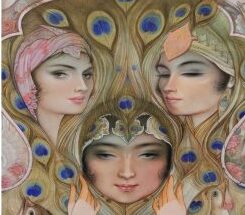
However, it reached its peak during the Safavid dynasty (16th–17th century), a golden age for Persian art. Artists in cities like Isfahan, Tabriz, and Shiraz refined the techniques of miniature painting and illumination, combining Persian aesthetics with Islamic calligraphy and geometry.
During this period, Tazhib became more than decoration—it became a symbol of enlightenment, representing divine light and perfection.
Symbolism and Meaning Behind the Patterns
Every element in Persian Tazhib carries meaning.
-
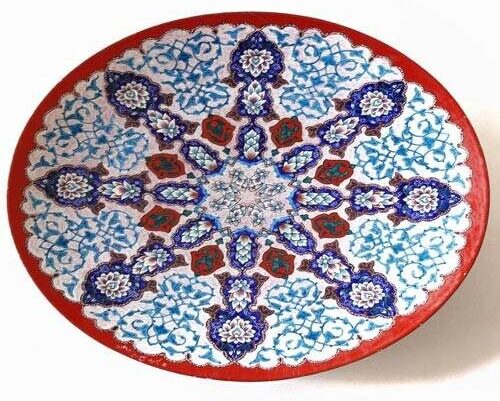
Circular motifs represent infinity and divine unity.
-
Floral patterns echo paradise and nature’s harmony.
-
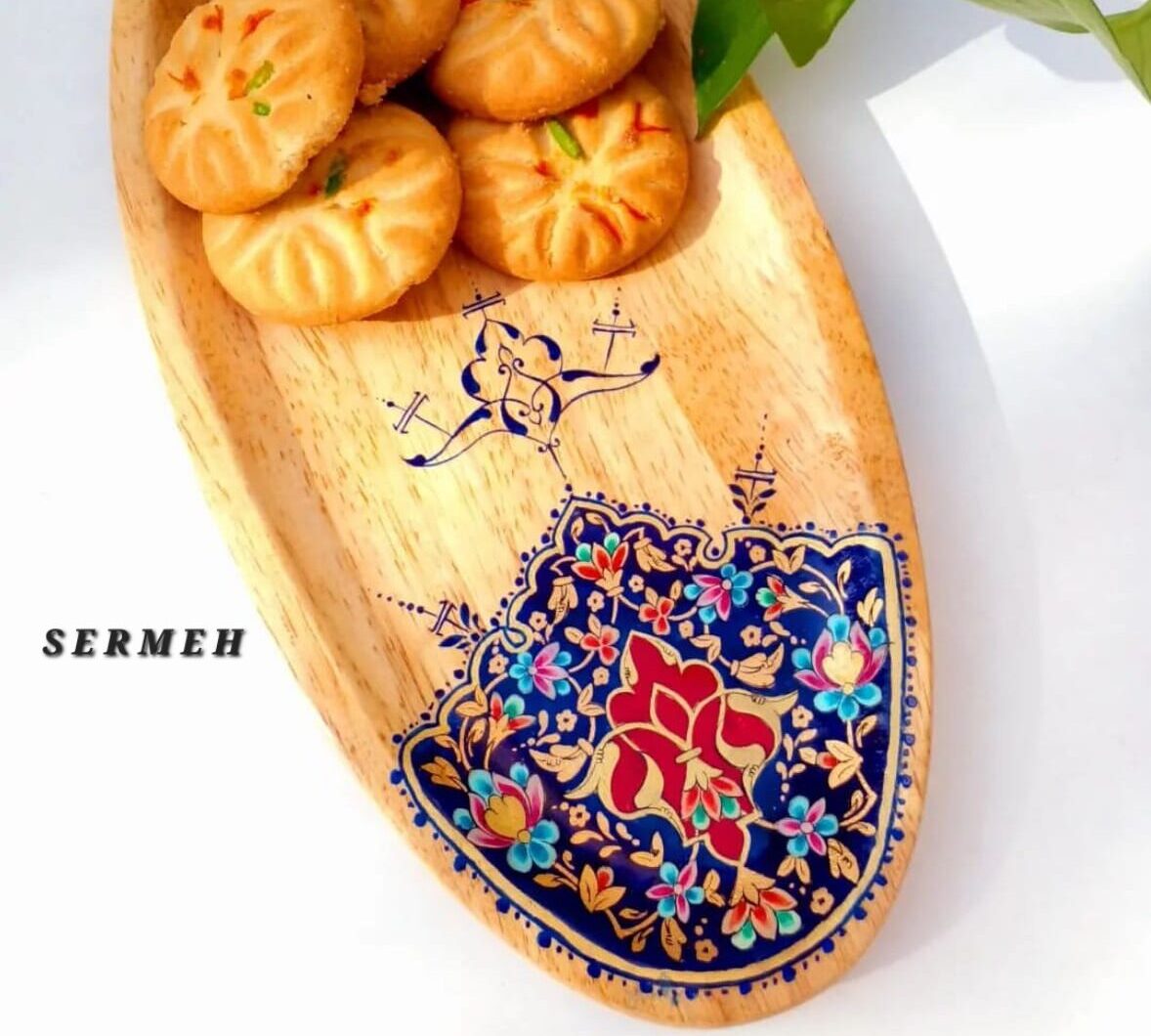
Golden colours symbolize light, knowledge, and spirituality.
Unlike Western realism, Tazhib doesn’t imitate nature—it transforms it into a sacred geometry of beauty.
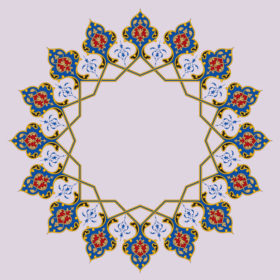
tazhib
The Process of Creating a Tazhib Artwork
Creating Persian Tazhib is a meditative journey.
Artists begin with precise geometric grids drawn by hand. They then apply natural pigments, gold leaf, and ink using fine brushes made of squirrel hair.
The process can take weeks or even months, as each detail must be executed with patience and precision. The result is a luminous surface that reflects light and depth, inviting viewers into a world of serenity.
Why Persian Tazhib Matters Today
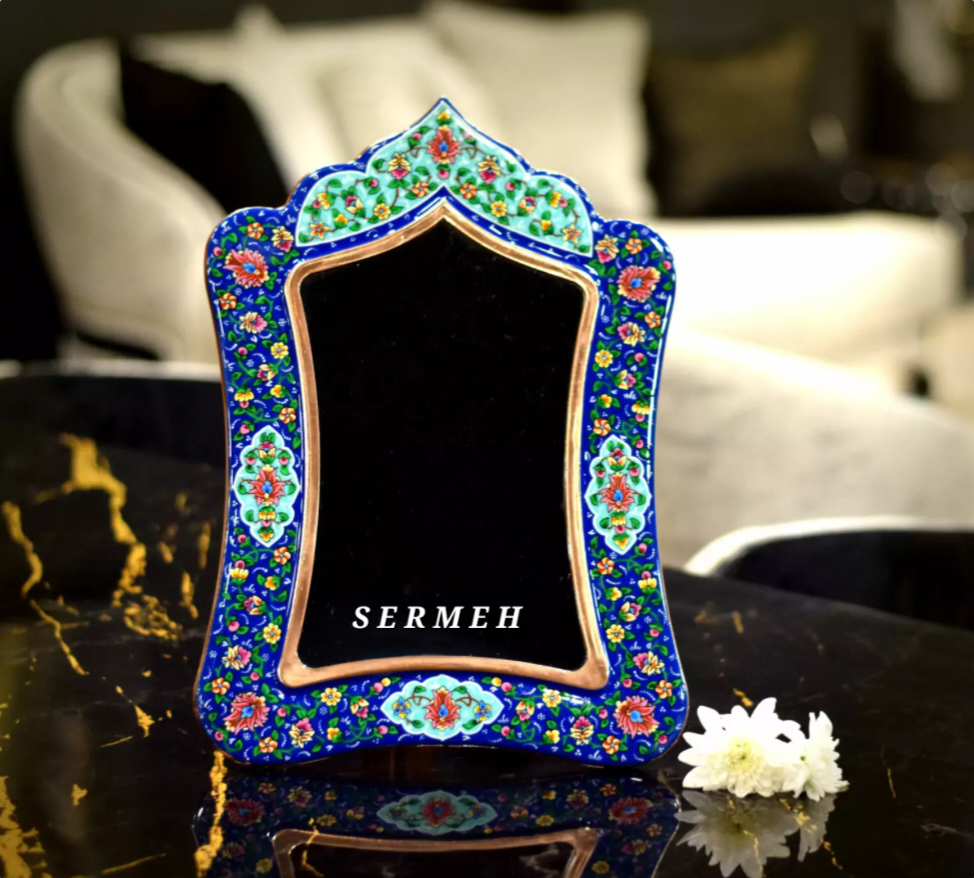
While once confined to royal manuscripts, today Persian Tazhib has found new life in modern art and interior design.
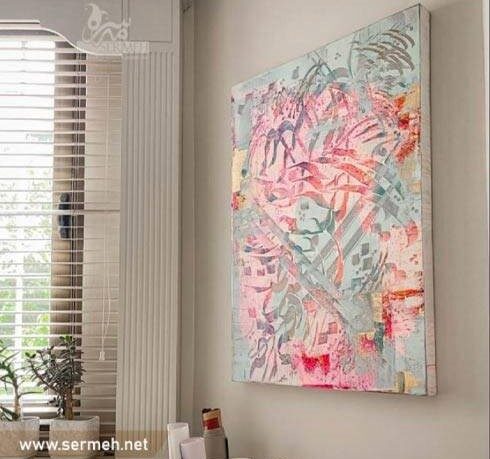
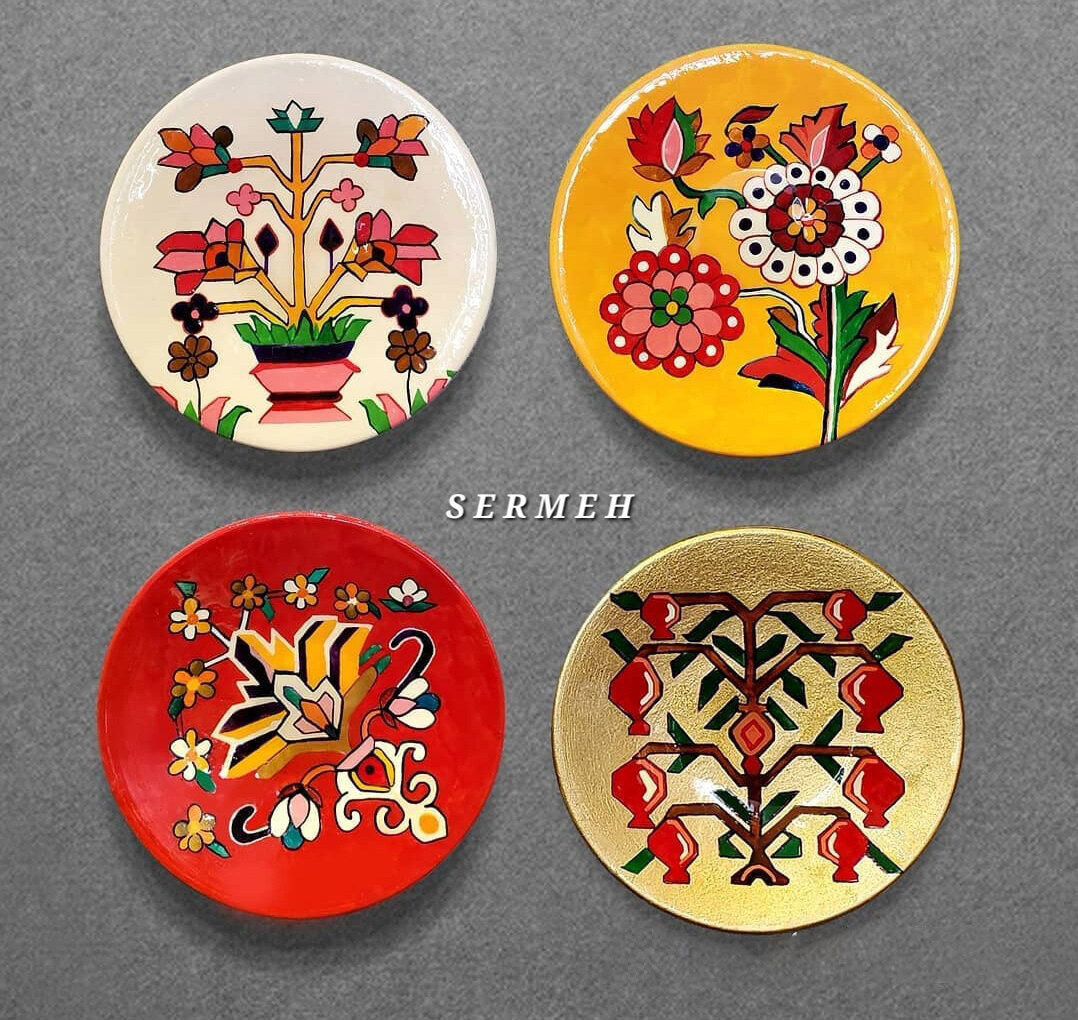
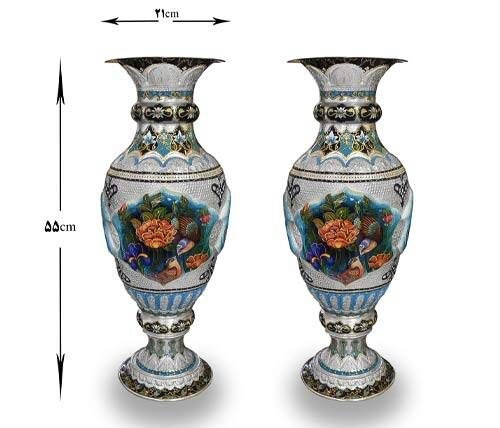
Contemporary Iranian artists are reinterpreting traditional motifs on canvas, wood, and ceramics. Collectors in Europe, America, and the Middle East seek out handmade Tazhib artworks for their timeless elegance.
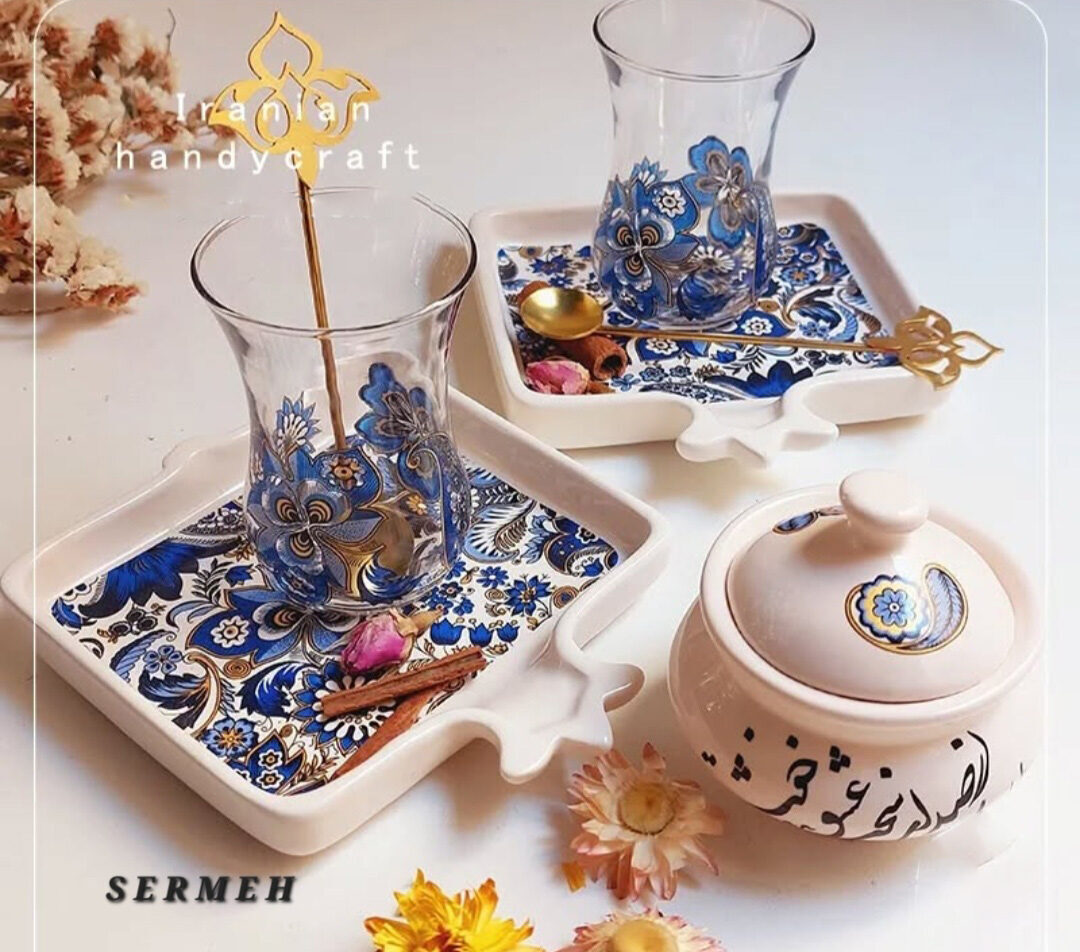
In modern homes, a single Tazhib panel can bring warmth, luxury, and cultural depth to any space. Many designers now incorporate Persian illumination in wall art, jewelry boxes, and even digital prints.
In a world dominated by fast design and mass production, Tazhib reminds us of the beauty of handmade craftsmanship and spiritual patience.
Each stroke of gold tells a story of devotion and tradition, connecting past and present.
By supporting Persian Tazhib artists, you’re not only owning a beautiful piece of art, you’re helping preserve a heritage that has illuminated hearts for centuries.
Where to Buy Authentic Persian Tazhib Art
If you’re looking to buy authentic Iranian Tazhib pieces, make sure to choose artworks made by Iranian artisans using traditional techniques.
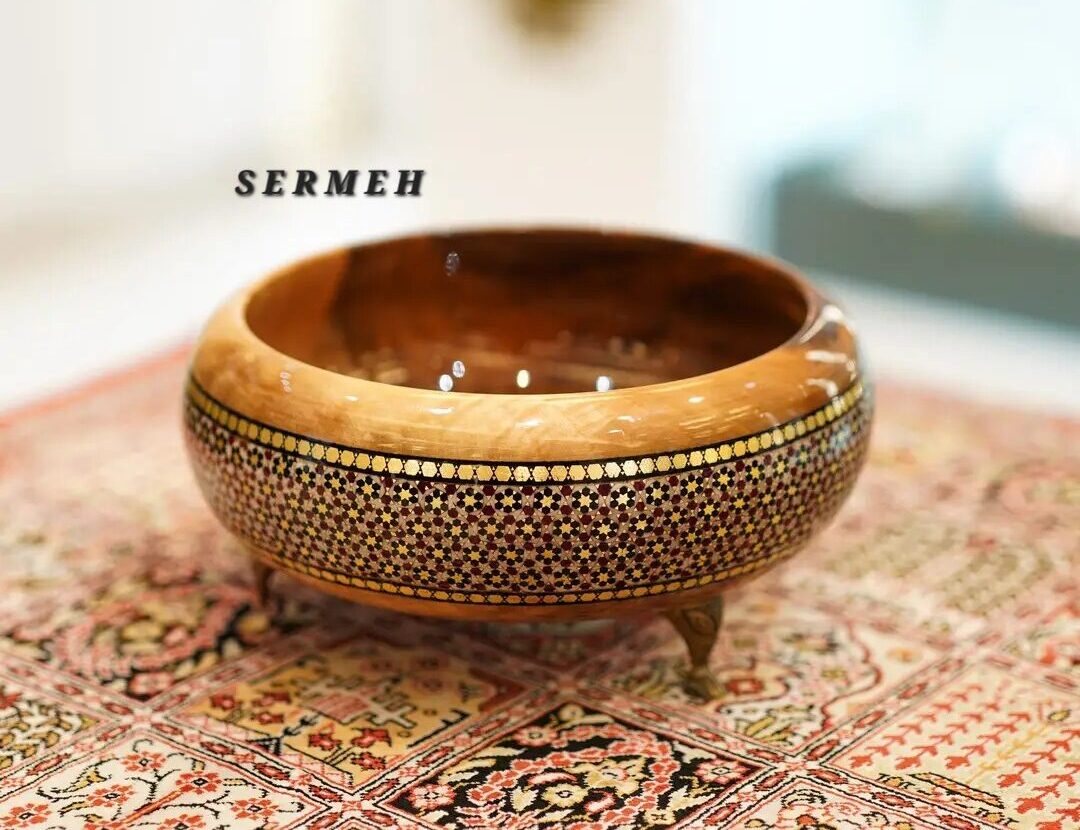
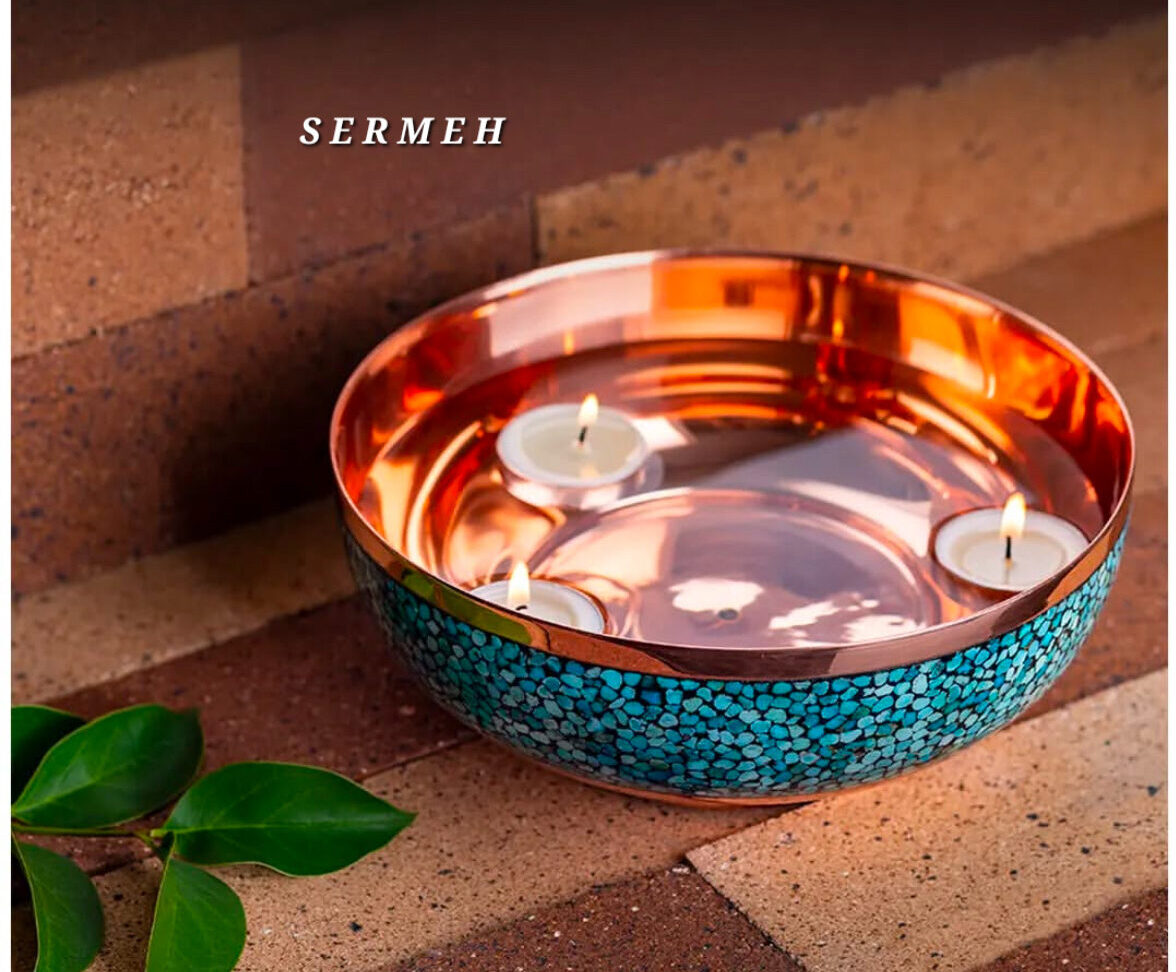
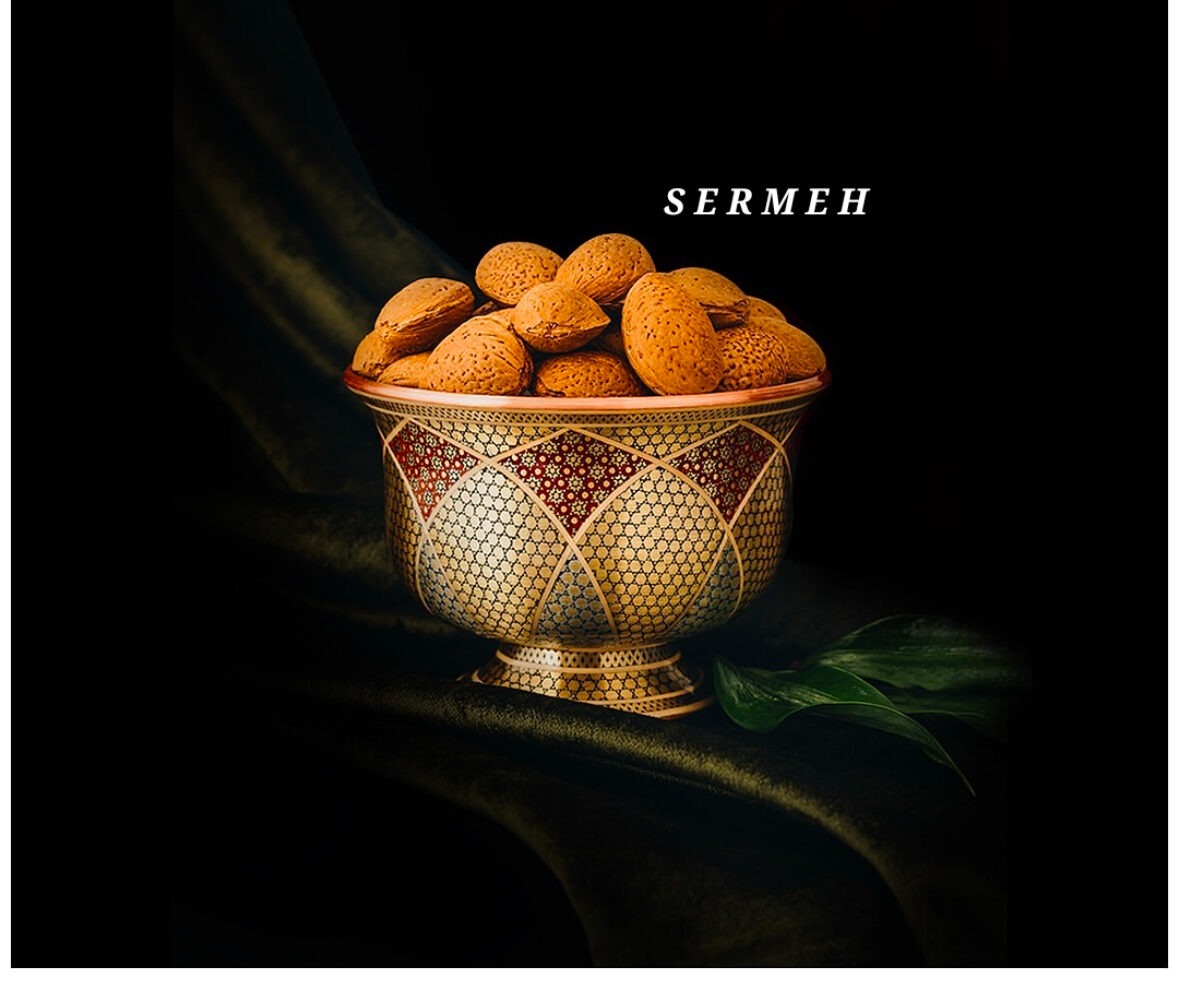
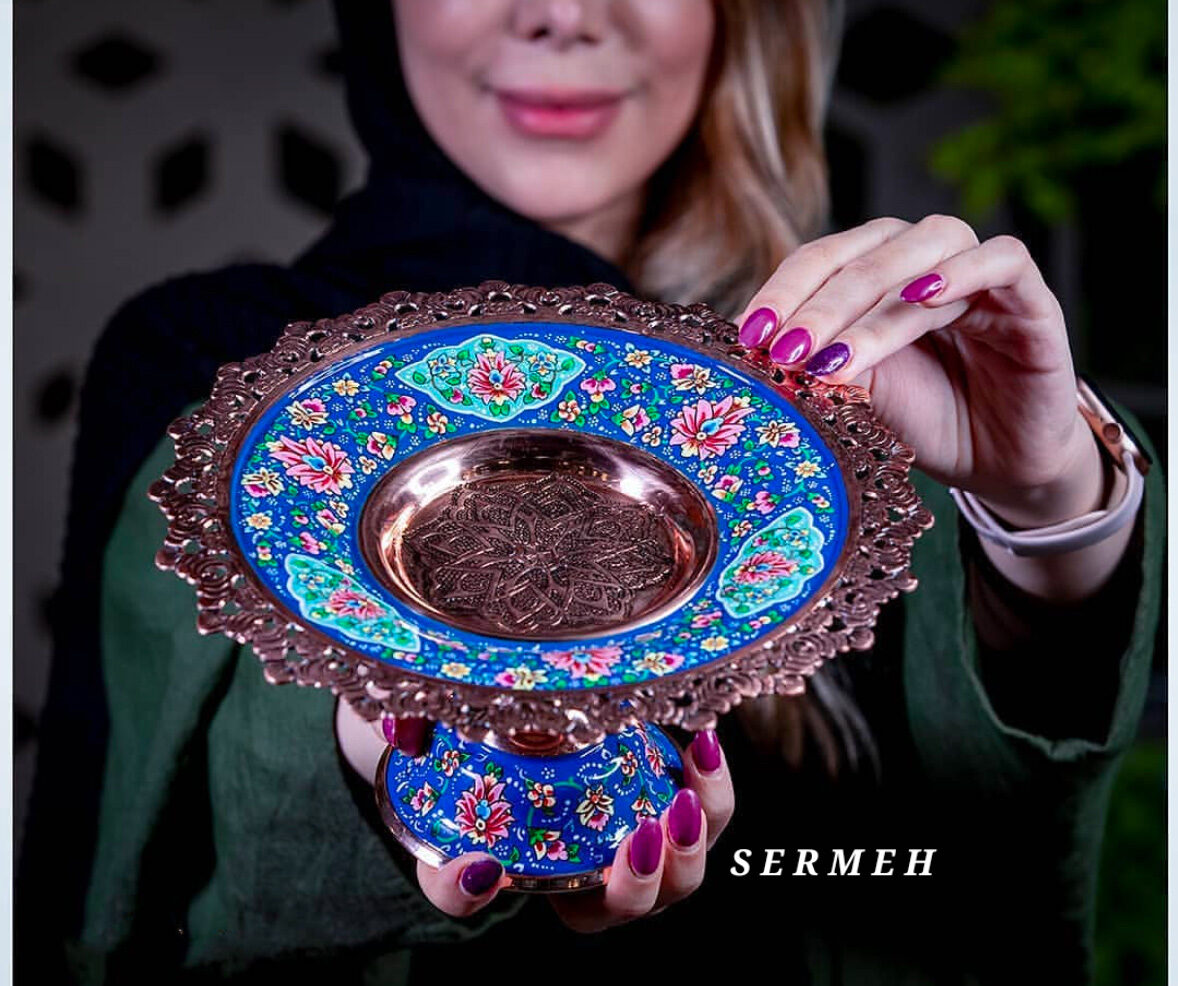
At Sermeh, we collaborate directly with master artists from Isfahan and Shiraz, offering unique, hand-painted Tazhib designs. Each piece comes with a certificate of authenticity and worldwide shipping.
Explore our collection of Persian Tazhib artwork and bring a touch of Persian elegance into your home.
Persian Tazhib is not just an art form; it’s a bridge between worlds—between gold and ink, heaven and earth, tradition and modernity. Whether displayed in a gallery or gracing your living room, it continues to reflect the light of Persian creativity that never fades.