

Iranian Zilou Weaving Art
A Thread Between Centuries
There’s a certain silence that fills the air when a Zilou is being woven — the rhythmic sound of the loom, the gentle touch of cotton threads, and the quiet concentration of the artisan. For centuries, this humble yet deeply meaningful craft has connected generations in Iran, passing from master to apprentice, from mother to daughter.
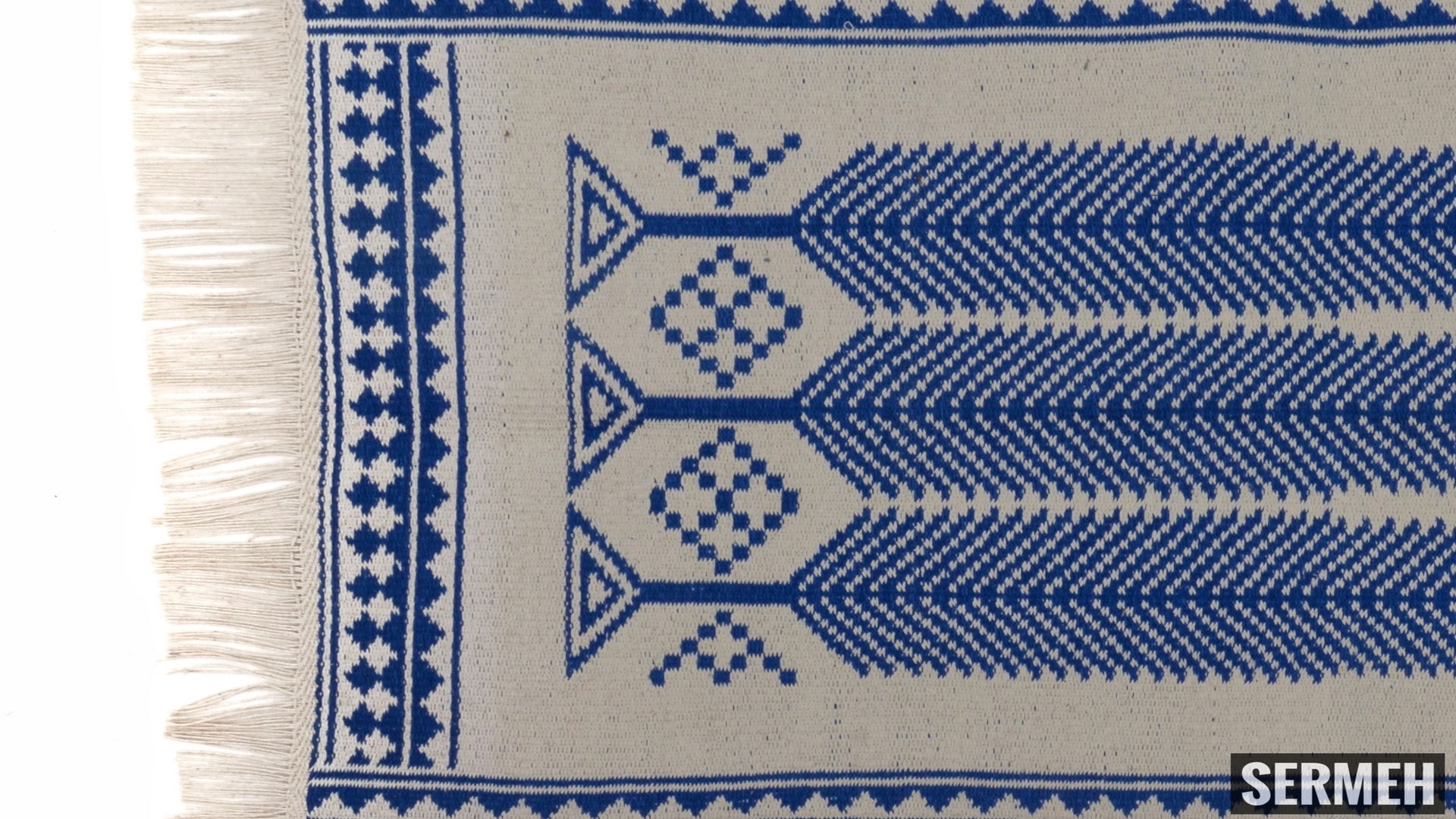
Zilou (also spelled Zilu or Zillow in older texts) isn’t just a floor covering — it’s a piece of living history. Originating from the central deserts of Iran, especially the city of Meybod in Yazd Province, Zilou represents one of the oldest forms of flat-woven rugs in the Persian world. Unlike ornate Persian carpets made of wool and silk, Zilous are traditionally crafted from pure cotton, giving them a soft, breathable texture ideal for warm climates.
What Makes Zilou Different?
-
Geometric designs:
Diamonds, squares, and abstract shapes represent harmony, balance, and protection.
-
Natural materials:
100% cotton threads create a lightweight and durable texture.
-
Eco-friendly dyes:
Artisans use natural colors made from indigo, pomegranate skins, and walnut shells.
-
Reversible weaving:
Each can be used on both sides — a mark of craftsmanship and sustainability.
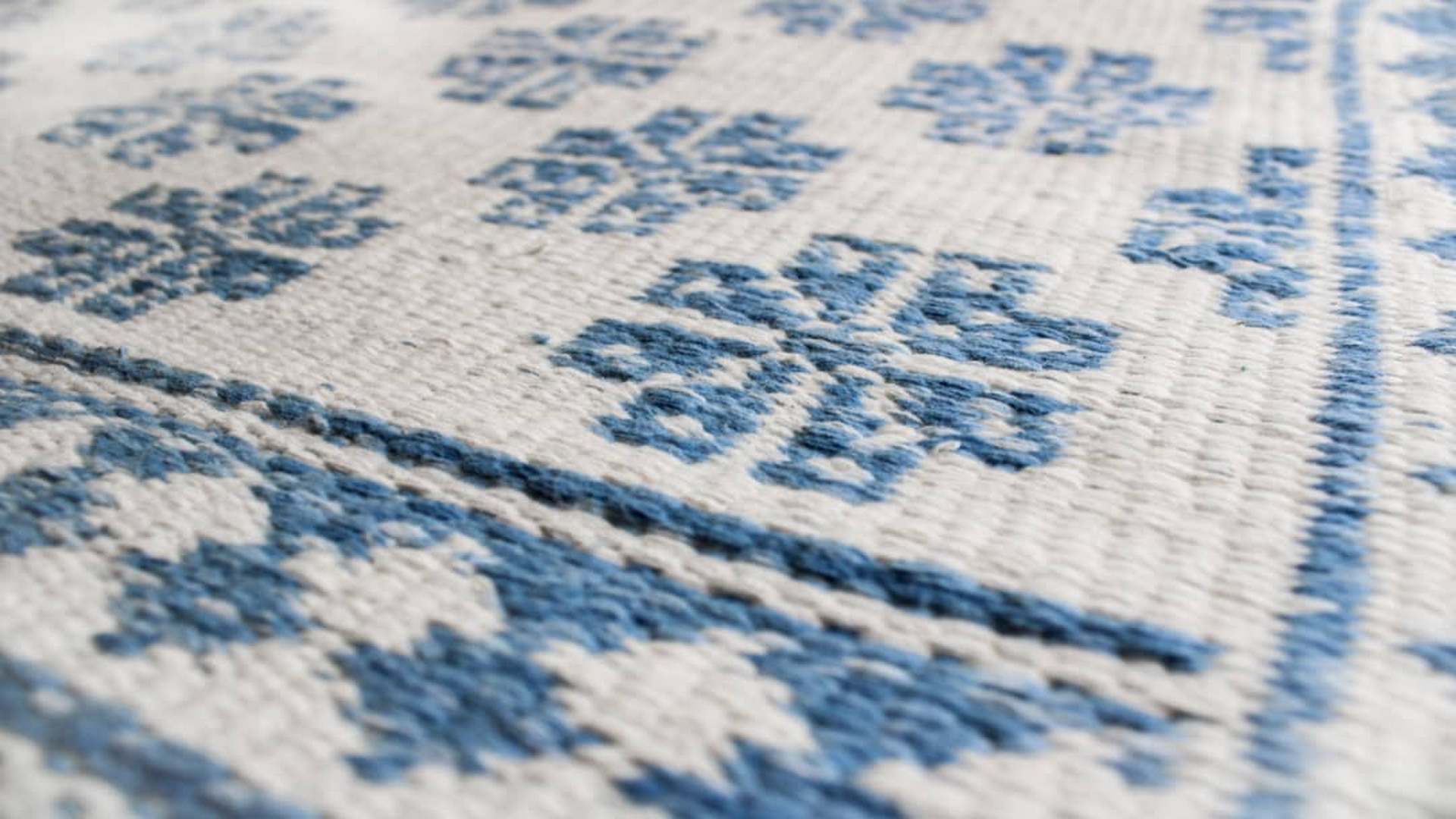
While Persian carpets shine with luxury, Zilou’s charm lies in its simplicity — a pure reflection of Iranian minimalism and authenticity.
The Cultural Roots of Zilou
To understand Zilou, one must understand Iran itself — a land where craftsmanship is a form of storytelling. For centuries, it has been more than decoration; it’s been part of everyday life. In mosques, homes, and even caravanserais along the Silk Road, Zilous have provided comfort and connection.
Some historians trace the tradition of Ziloo weaving back over a thousand years. During the Safavid dynasty, it flourished alongside other Persian crafts, though it remained humbler in material and design. Zilou was never meant to impress kings — it was made for the people, by the people. That authenticity is exactly what makes it so relevant today.
Zilou in the Modern World
As global design trends shift toward authenticity and sustainability, Zilou is experiencing a quiet renaissance. Interior designers around the world now appreciate its natural aesthetic — the perfect blend of tradition and modern simplicity.
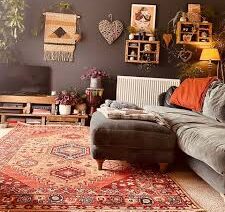
Imagine a Scandinavian living room with clean lines and soft tones; a Ziloo adds warmth without overpowering the space. Its reversible design — yes, you can flip it and use the other side — makes it both practical and long-lasting.
Moreover, buying a handmade Zilou supports small communities in Iran that still preserve this endangered art form. Every purchase directly contributes to local artisans, helping them sustain their families and keep this tradition alive in a world increasingly driven by machines.
 Zilou as a Symbol of Sustainable Luxury
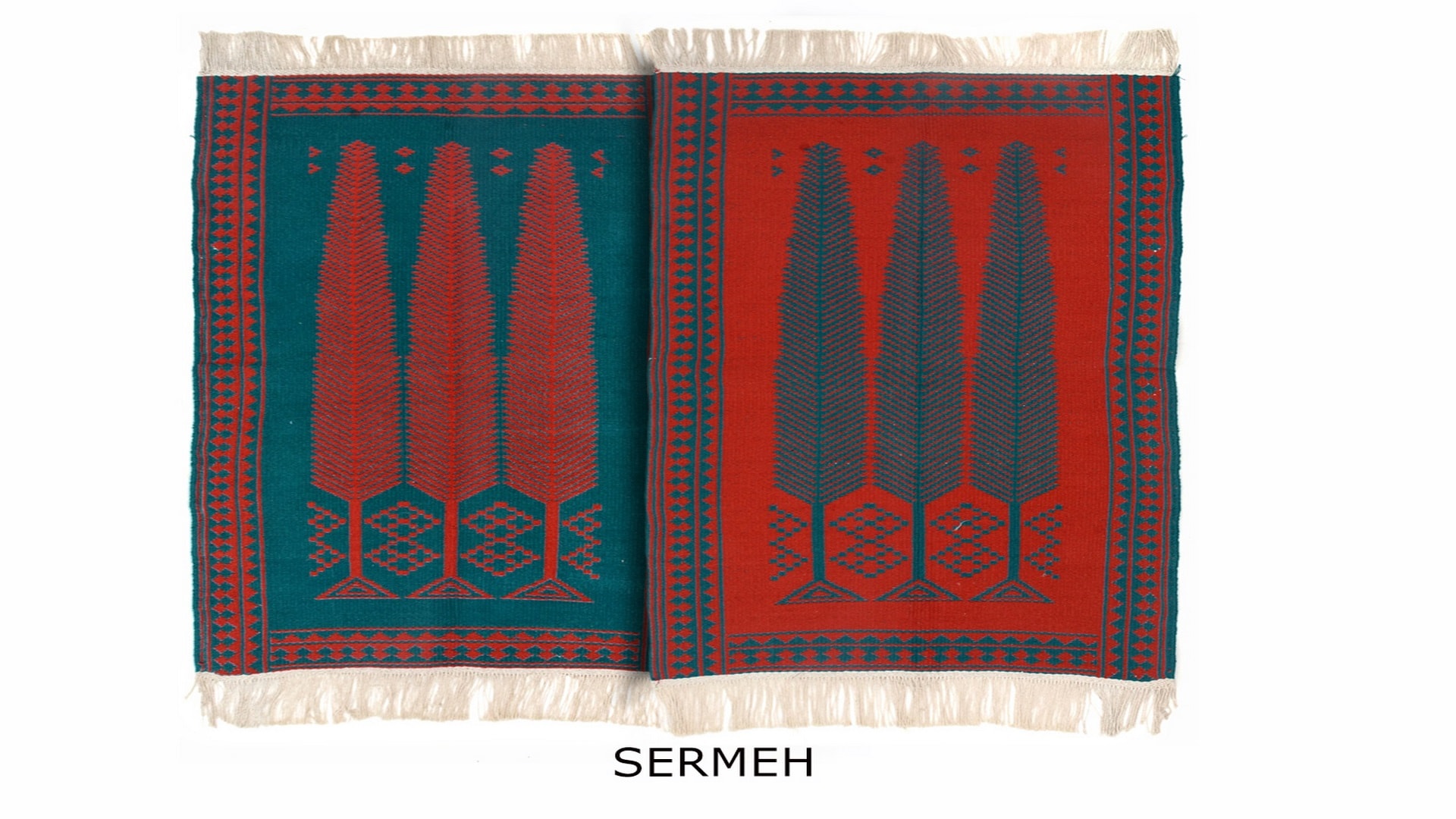 Zilou as a Symbol of Sustainable Luxury
Luxury today doesn’t mean gold or glitter — it means authenticity, craftsmanship, and sustainability. Zilou embodies all three.
It’s made entirely from natural materials, often using zero electricity, and with minimal environmental impact. Each rug takes weeks — sometimes months — to complete, depending on its size and pattern. The patience embedded in every weave is part of its beauty.
In a world that’s rediscovering slow living, Zilou feels like a breath of fresh air. It reminds us that beauty doesn’t need to be loud — it can whisper through texture, form, and story.
ow to Style a Zilou in Your Home
One of the reasons Zilou has become so popular outside Iran is its versatility. Whether you live in a New York loft, a London flat, or a Tokyo apartment, it fits effortlessly.
-
Minimalist homes:
Pair a beige or indigo Zilou with wooden furniture for a natural, grounded look.
-
Bohemian interiors:
Mix it with colourful textiles and pottery for a warm, artistic vibe.
-
Cultural spaces:
Use it as a wall hanging — yes, Zilous are often displayed as art pieces!
Because they are reversible, easy to clean, and resistant to wear, they are also a great choice for eco-conscious households.
 Preserving the Future of Zilou
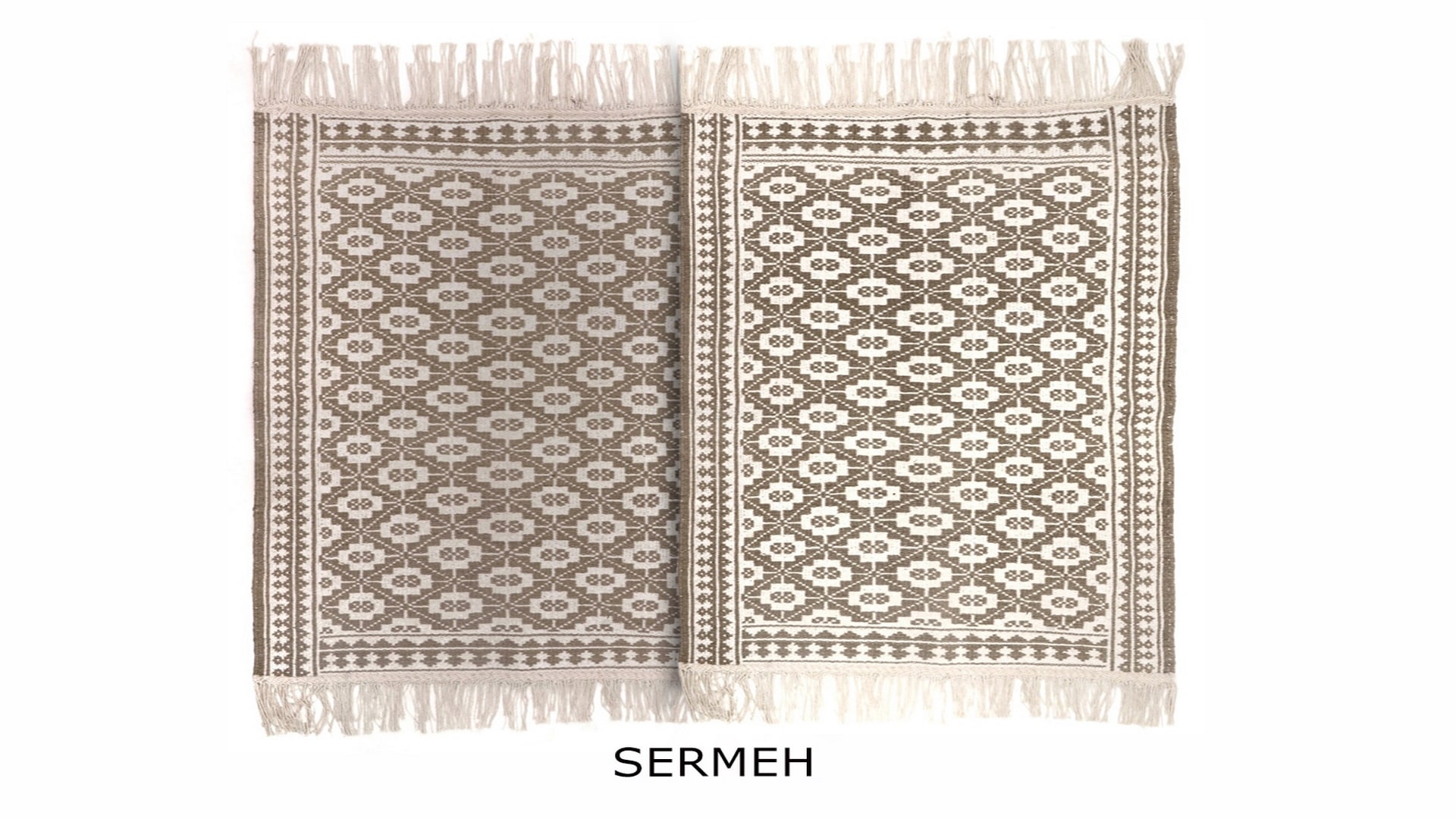 Preserving the Future of Zilou
Unfortunately, as younger generations move away from traditional crafts, fewer artisans remain to continue the art of Zilou weaving. Many looms have gone silent. Yet, thanks to international recognition and growing demand for sustainable design, there’s hope.
Organizations and online platforms are now working with Iranian artisans to promote Zilou weaving globally. By purchasing directly from these artisans, you’re not only acquiring a unique handmade rug — you’re helping preserve a piece of world heritage.
At its heart, it isn’t just about design or decoration — it’s about connection. Connection between generations, between tradition and modernity, between the maker and the user.
When you touch a Zilou, you’re touching centuries of Iranian culture woven into every thread. You’re stepping on a piece of history — one that continues to evolve, yet remains true to its roots.
In a world obsessed with speed, Zilou invites us to slow down and appreciate the beauty of what’s real.
If you’re looking for something more than just a rug — something with a story, a soul, and a purpose — then Zilou is exactly that.
>It’s not mass-produced. It’s not trend-based. It’s timeless.
Bring home a piece of Iran. Bring home a story woven in cotton, patience, and love.